The Creative Life of Paper with Clairefontaine
Paper is an underappreciated part of writing today. Often, people focus more on graphics, design, or a low price point than on the writing experience or archival quality. Many people do not even realize how much paper can differ.
Paper varies widely—not only in size and color, but also in quality and intended purpose. I must admit that, for quite some time, I was guilty of grabbing whatever printer paper I had around to write on. I sensed that it never felt great, and the experience varied depending on whatever printing paper I happened to buy.
It wasn’t until I rekindled my love of fountain pens and journaling that I started to explore the varieties of paper.
Not all paper works well with every pen. This is especially true with fountain pens, and it goes beyond feel. Using a fountain pen on paper not designed for it can tear or shred the paper, sending little fibers into the nib.
Ink can also feather, meaning it spreads outward after you write. Fountain-pen ink may also bleed through the page.
On top of that, some paper simply feels smoother than others. That preference is personal; some people like a little grab from the paper. Personally, I like a smooth ride, so I prefer coated paper.
These days, most people write with oil-based ballpoint pens. You will find a coffee cup stuffed with disposable ballpoints on many desks. I have long had an issue with these pens. Firstly, they feel cheap. The feel of a pen matters to me. A flimsy, cheap pen is not gratifying to write with.
Plus, waste, waste, waste. Why does everything need to be disposable? Sure, there are occasions where that may be necessary, but not nearly as often as it is promoted. Why not cut down on the plastic waste that clutters our planet? Buy one nice pen that you can use for years. Grow with the pen. I use a Montblanc ballpoint with a refillable cartridge. There is much less waste, and it feels great.
In America, we have been sold the idea that fast and cheap is better. Often, it is not. It creates the illusion of saving money, but you often don't save in the long run by buying cheap. It is a bit of a trick consumerism plays on us.
On the ink side, I have to admit that oil-based ink in ballpoint pens is not my favorite. Oil-based ink is best in many cases, such as for archival use and writing on paper that is not fountain-pen-friendly. Still, I much prefer the richer color and lines of fountain-pen ink.
I research and journal about music all the time. When I am spending so much time writing, I want to enjoy the experience. I want to get lost in the process. I do not see research as a chore. That means I want the tools I use to reflect that care.
If I treat the craft with respect, I am more likely to have a good experience—and perhaps grow something fruitful from it.
It’s been a journey getting to my current setup for creating, researching, and journaling.
Finding My Setup
Early on, I used an iPad, iPhone, and MacBook. Sure, it worked, but the information did not stick as deeply as I had hoped. Yes, there are countless options for fonts, colors, and formatting in the digital realm. But staring at a screen did not put my mind in a flow state. Distractions were always there, and I never felt truly connected to the material.
I then moved on to loose-leaf paper and a gel pen. I noticed a difference immediately. I was more connected. I would still eventually enter the material into a Word document on my Mac—and I still do—but that was no longer phase one.
There were a few flaws in the loose-paper setup. For one, the pages were easy to lose or become disorganized. Although I liked the feel of gel pens, my writing did not come out as legibly as I wanted when printed. Some of that was my own penmanship, but it was also the way I used the pen.
It was time to try something new, so I started buying journals from random places. I did not think about paper weight, coating, or any of that. It was just a book—perhaps a little fancier than the kind of notebook you would buy to take notes in school.
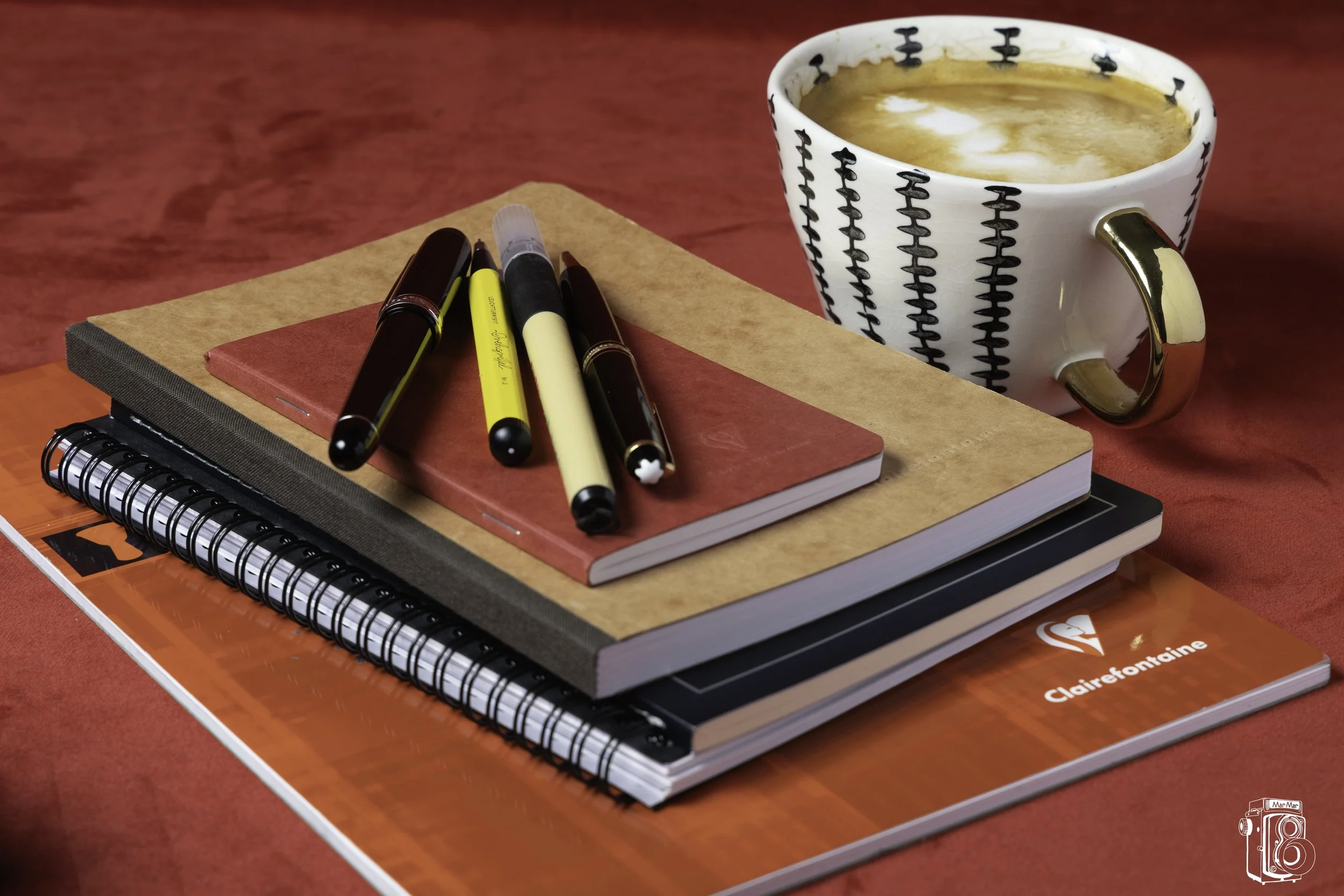
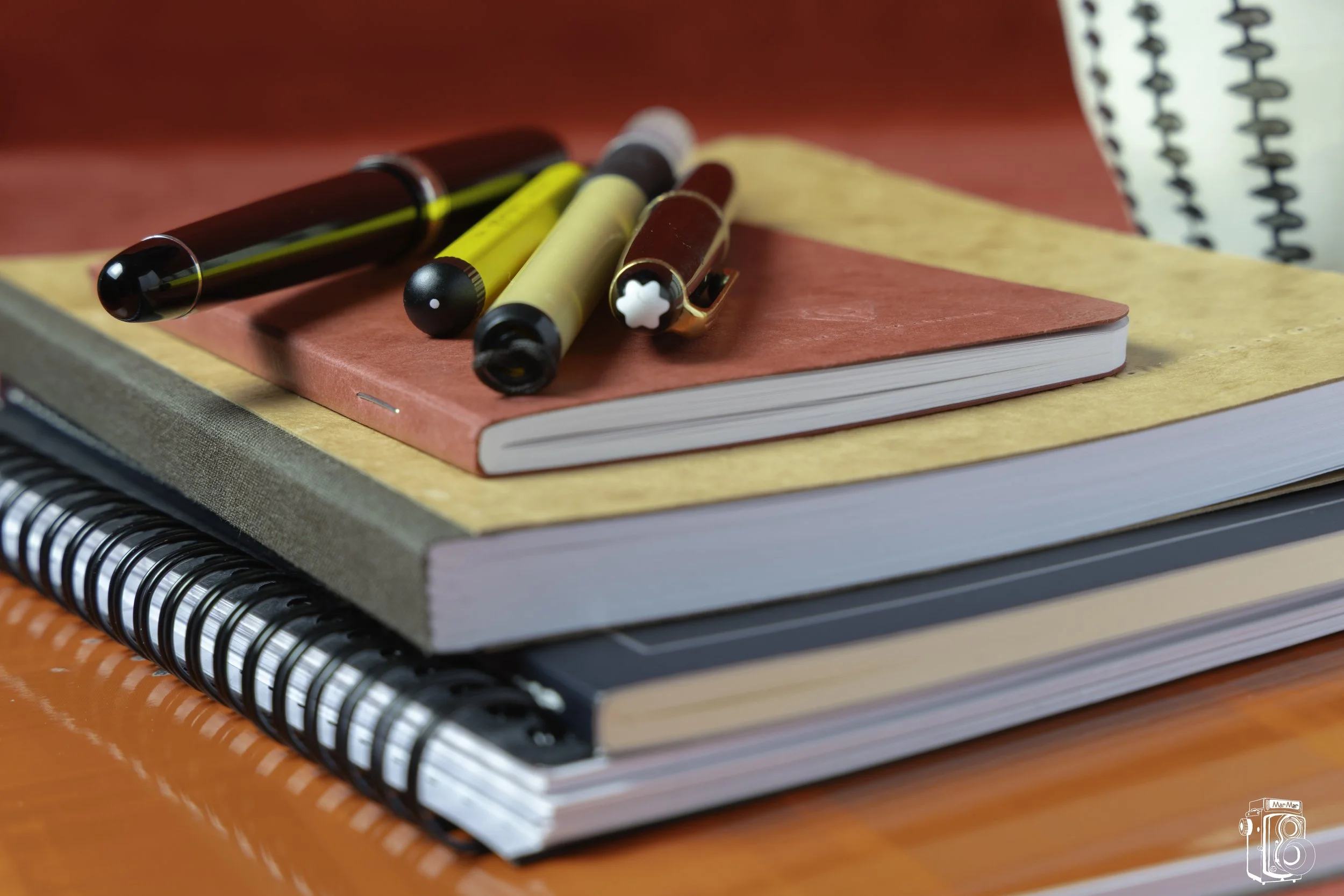
I had three colored gel pens to differentiate the information I was writing down. Okay, we were getting somewhere. But I noticed that some journals felt much better than others. I really disliked some of them, despite their cool cover designs.
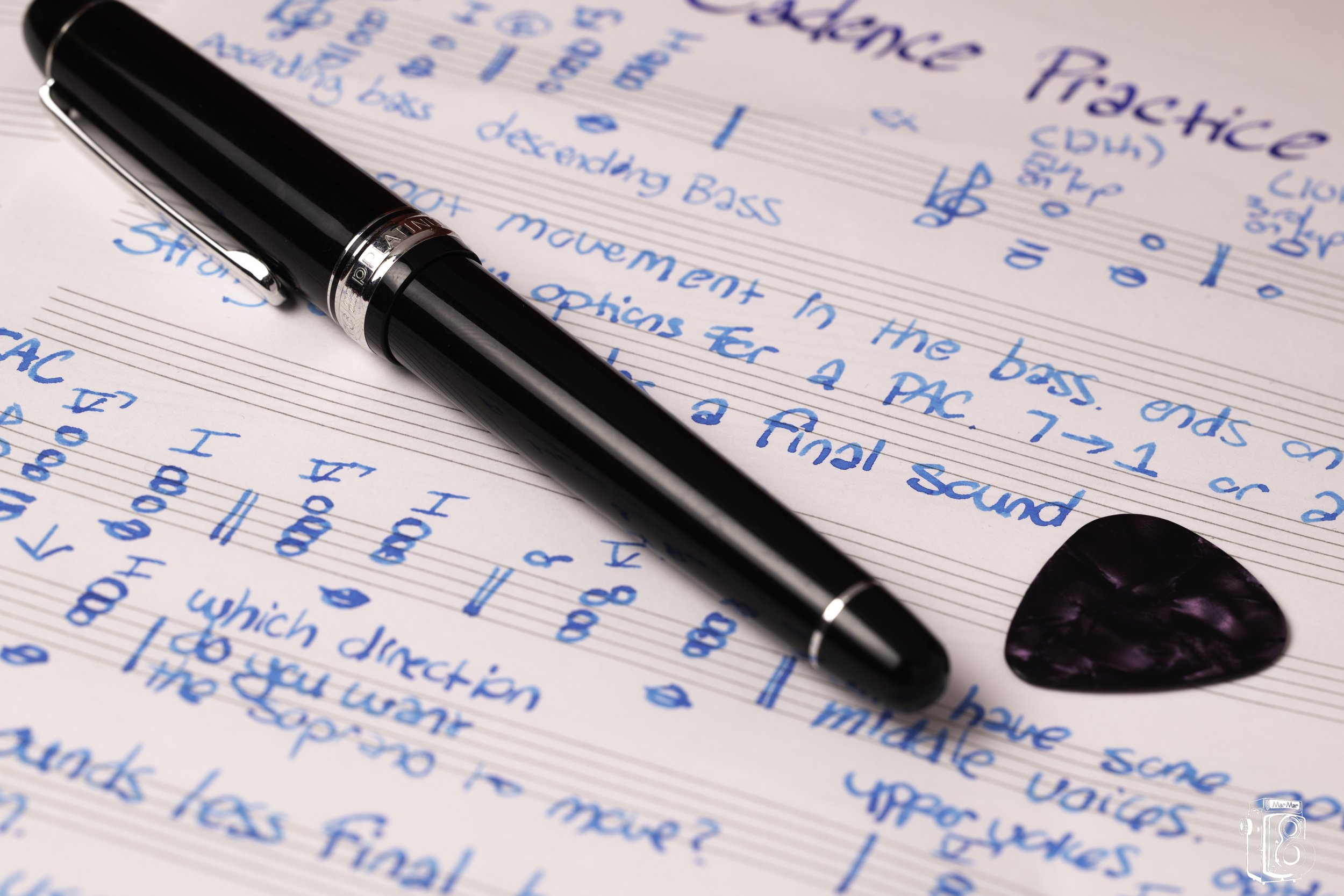
Even now, I still write a lot of music on manuscript paper. I didn't like how ballpoint pens looked on manuscript paper, and I wasn't a big fan of gel ink either.
When I was younger, I was into calligraphy—a skill I let lie dormant for many years. I remembered writing with a fountain pen and remembered the experience. I decided I wanted to try a fountain pen for composing. After all, many of the great composers wrote with dip pens and quills.
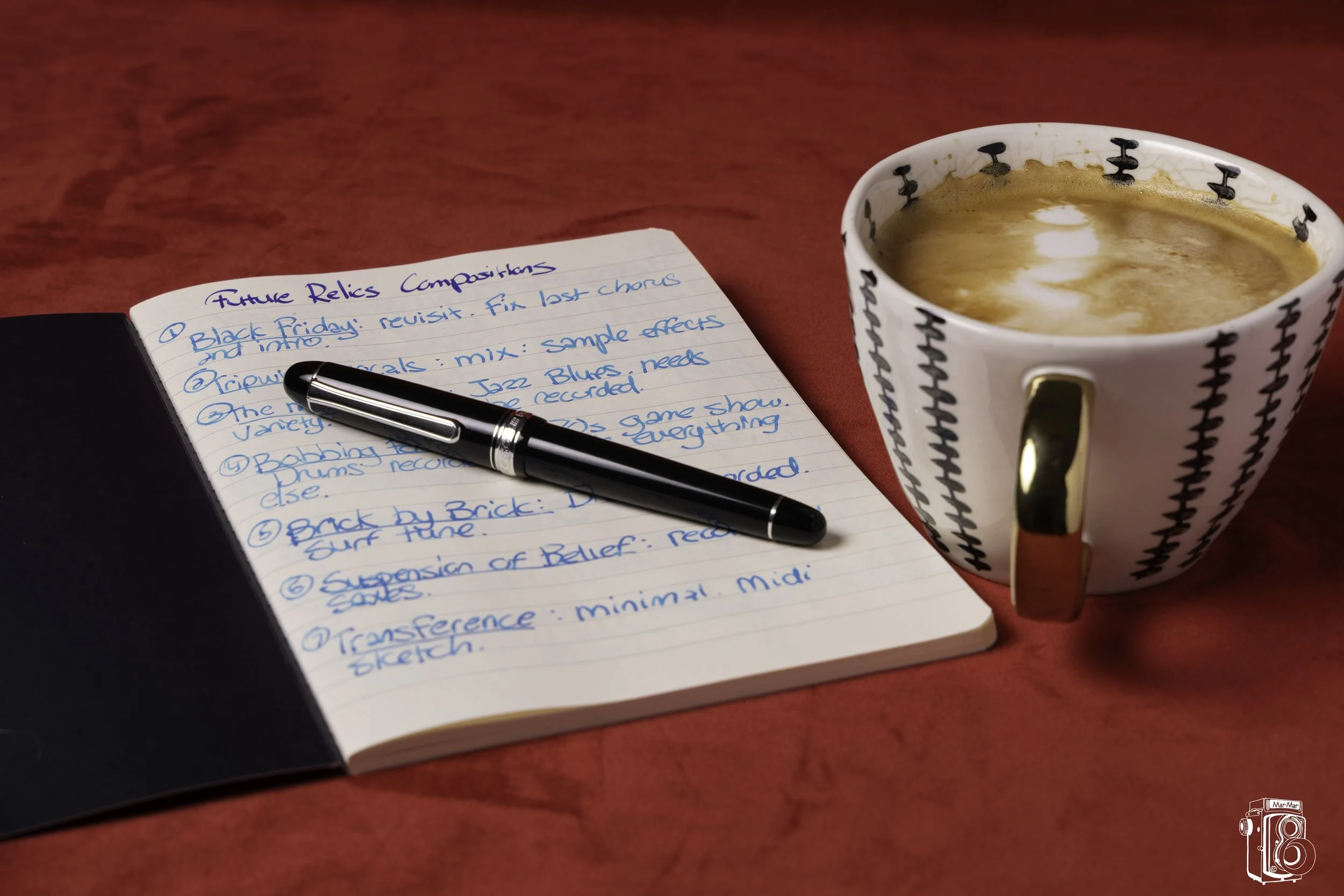
Swapping out the ballpoint and gel pen for a fountain pen was a game changer for writing music. I even got a Platinum 3776 with a music nib, which is still my main fountain pen.
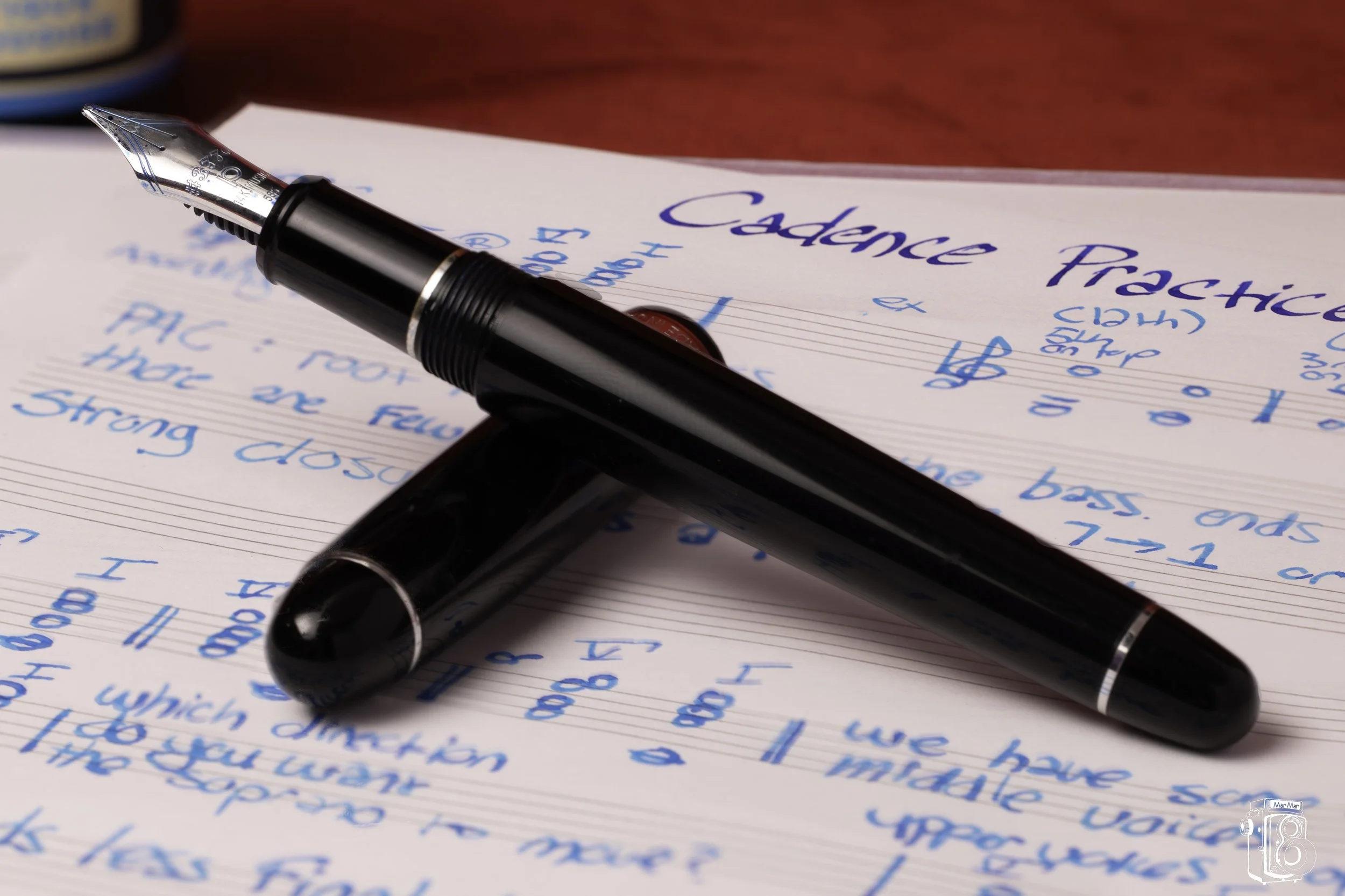
Because the fountain pen writes so smoothly and has such rich lines and colors, I found it inspiring. So, I decided to use it for research and journaling, too.
At the time, I used Leuchtturm journals, which were very consistent and worked well with my gel pens. Leuchtturm journals will not shred or damage your fountain pens, but they are not really made for them either.
There is a system called GSM, which describes paper weight. Higher GSM generally means less likelihood of bleed-through. If you use fountain pens and markers, you will probably want higher-GSM paper.
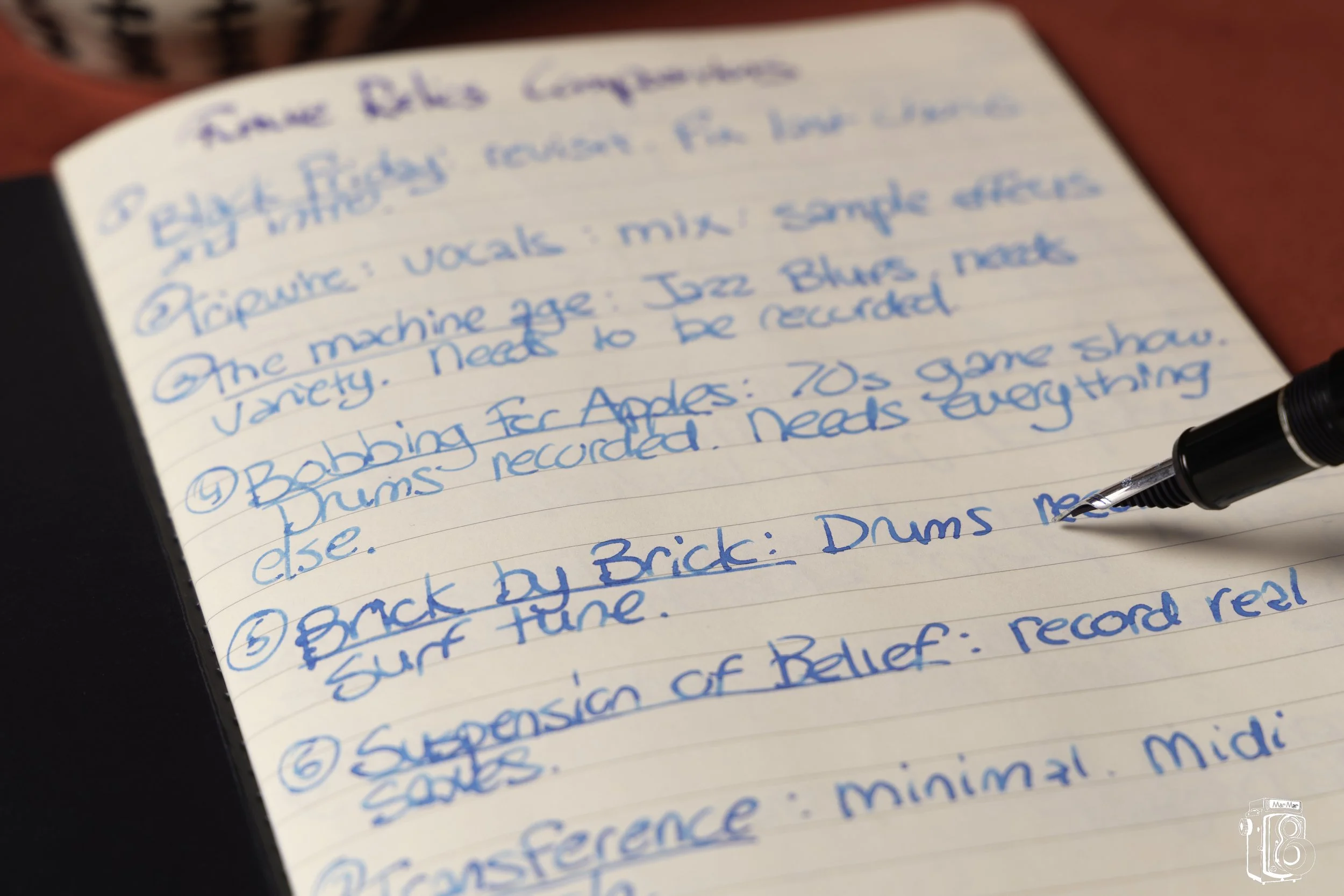
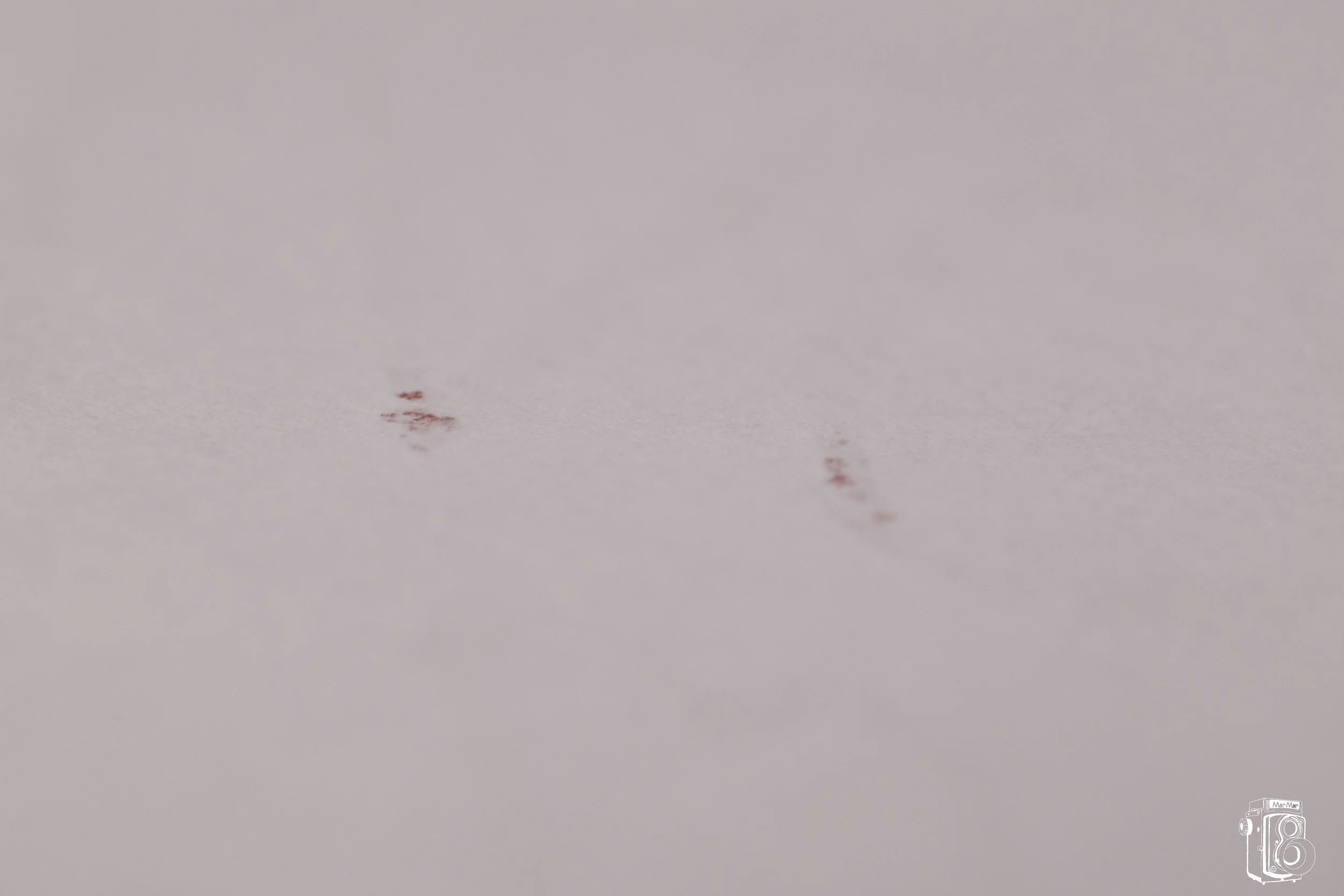
German-made Leuchtturm journals are quality products, but they were not quite right for my fountain pen and marker use. I also use a variety of markers to highlight or illustrate my research, helping ideas stand out and stick in my mind. Below is a note I wrote for my wife on Clairefontaine paper using ink that bleeds through most paper. The back of the paper is clean except for two very small red dots. You can also see the clean lines the paper allows for.
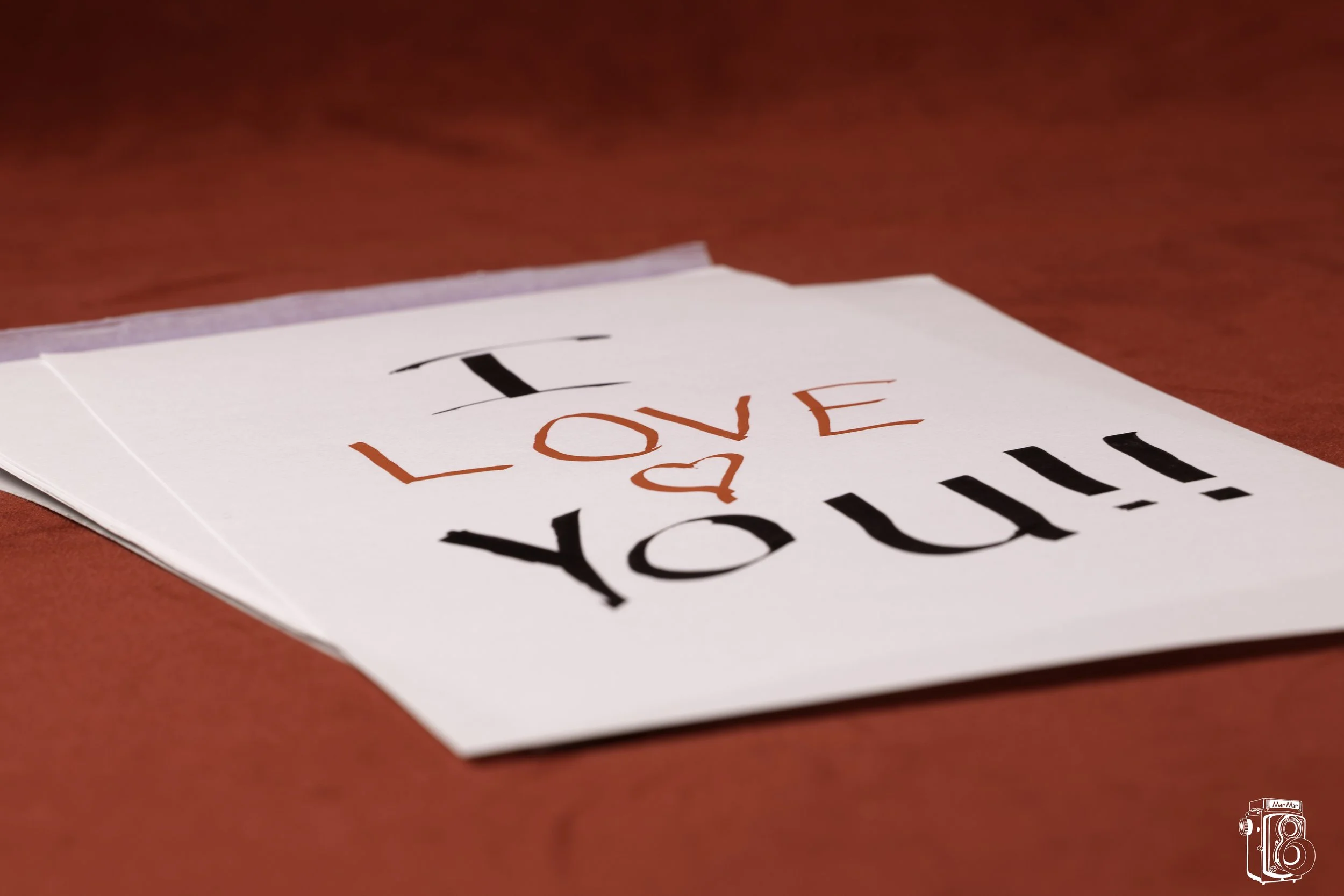
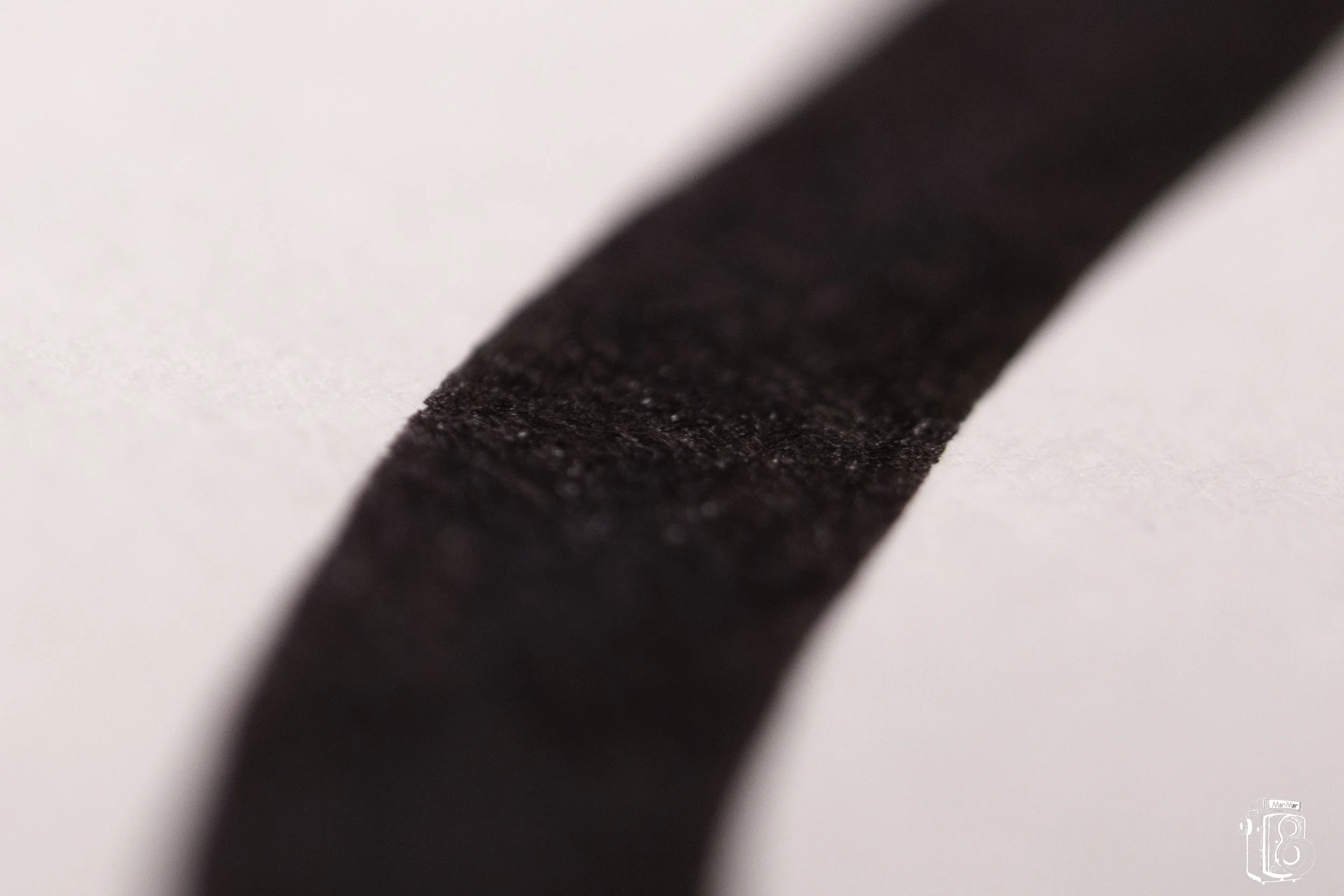
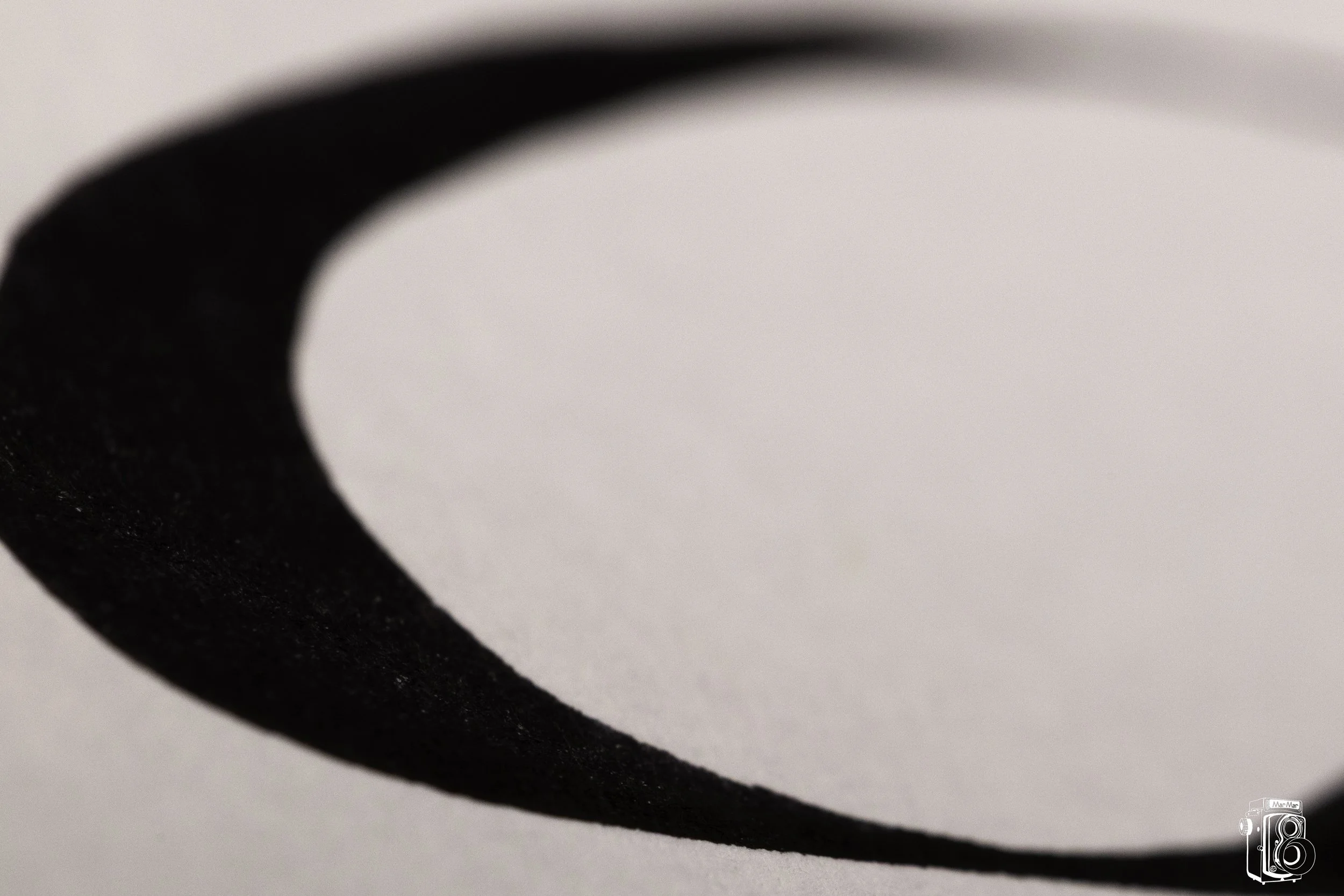
In the next series of pictures we will compare the texture of cheap paper and Clairefontaine paper as well as the feathering.
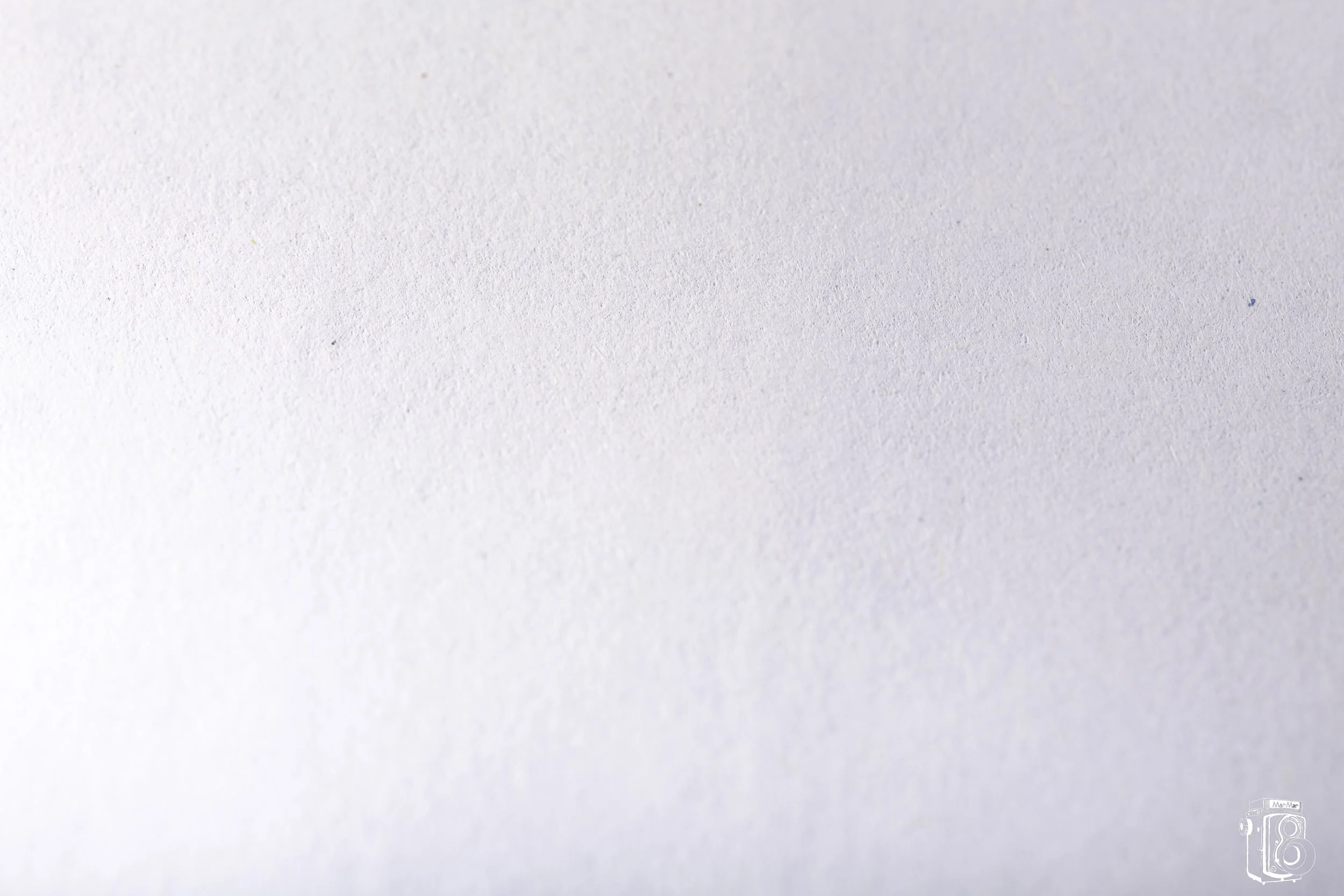
Cheap paper with a rougher texture
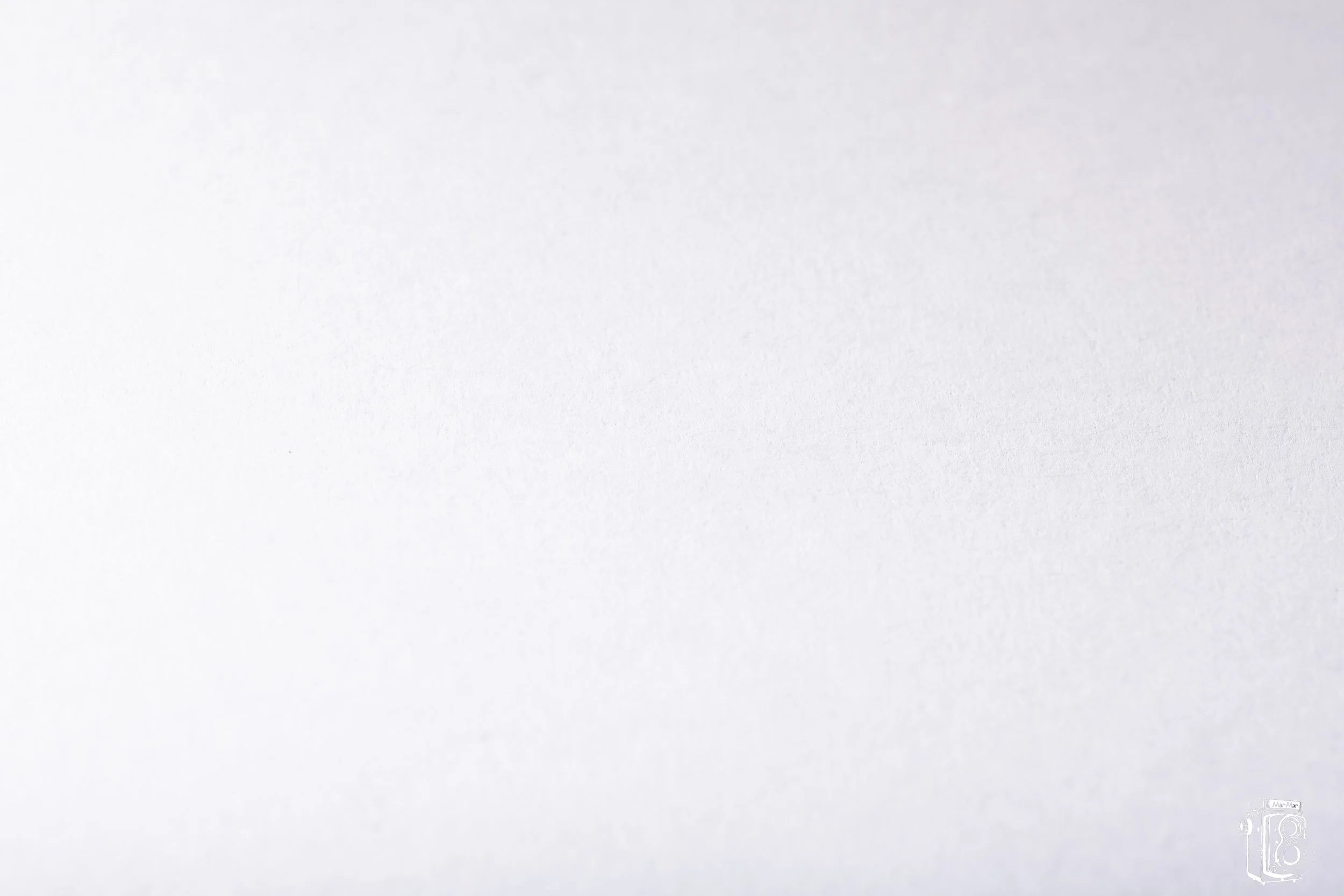
Clairefontaine coated paper is smooth.
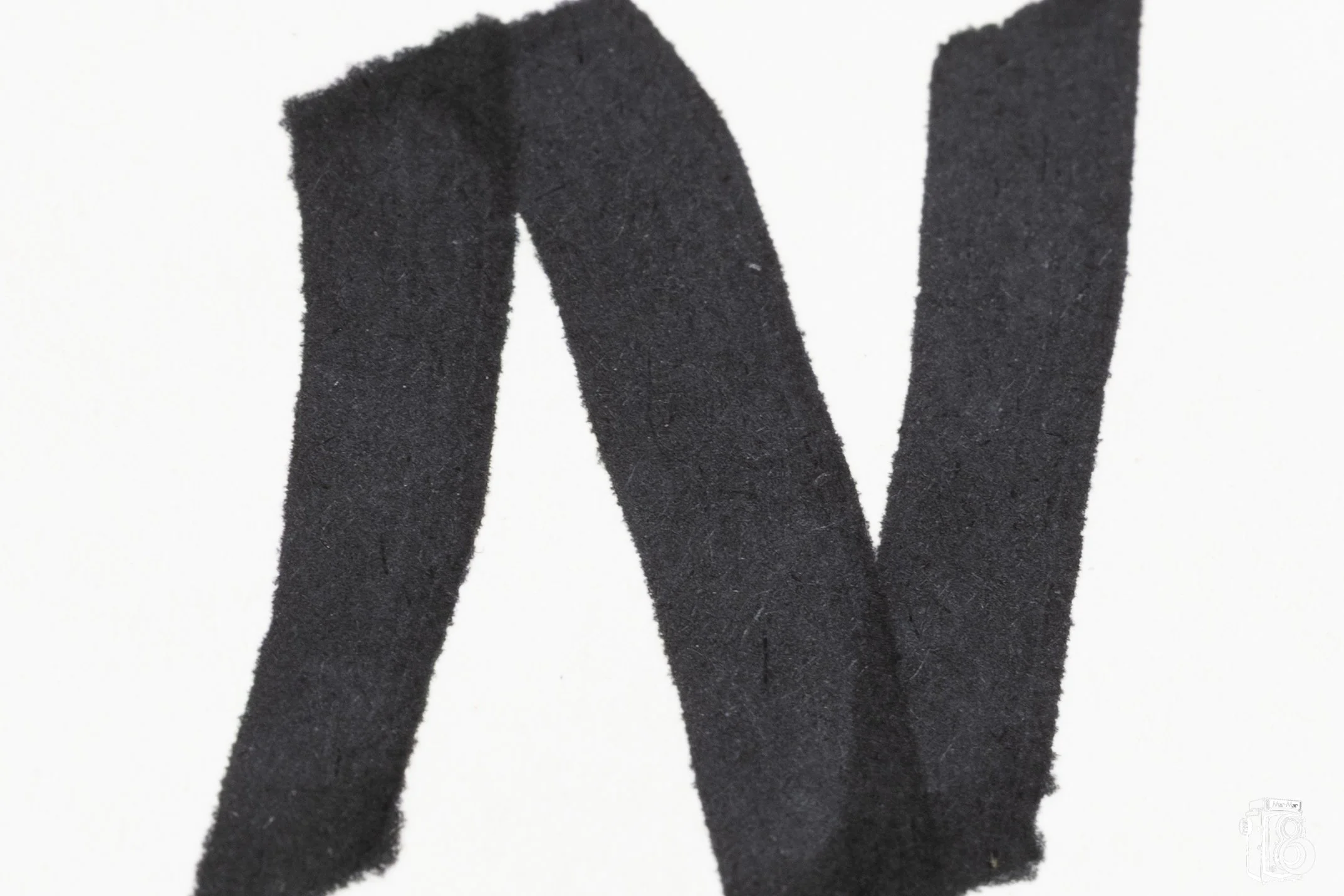
Ink spread (feathering) on cheap paper. Lacks detail.
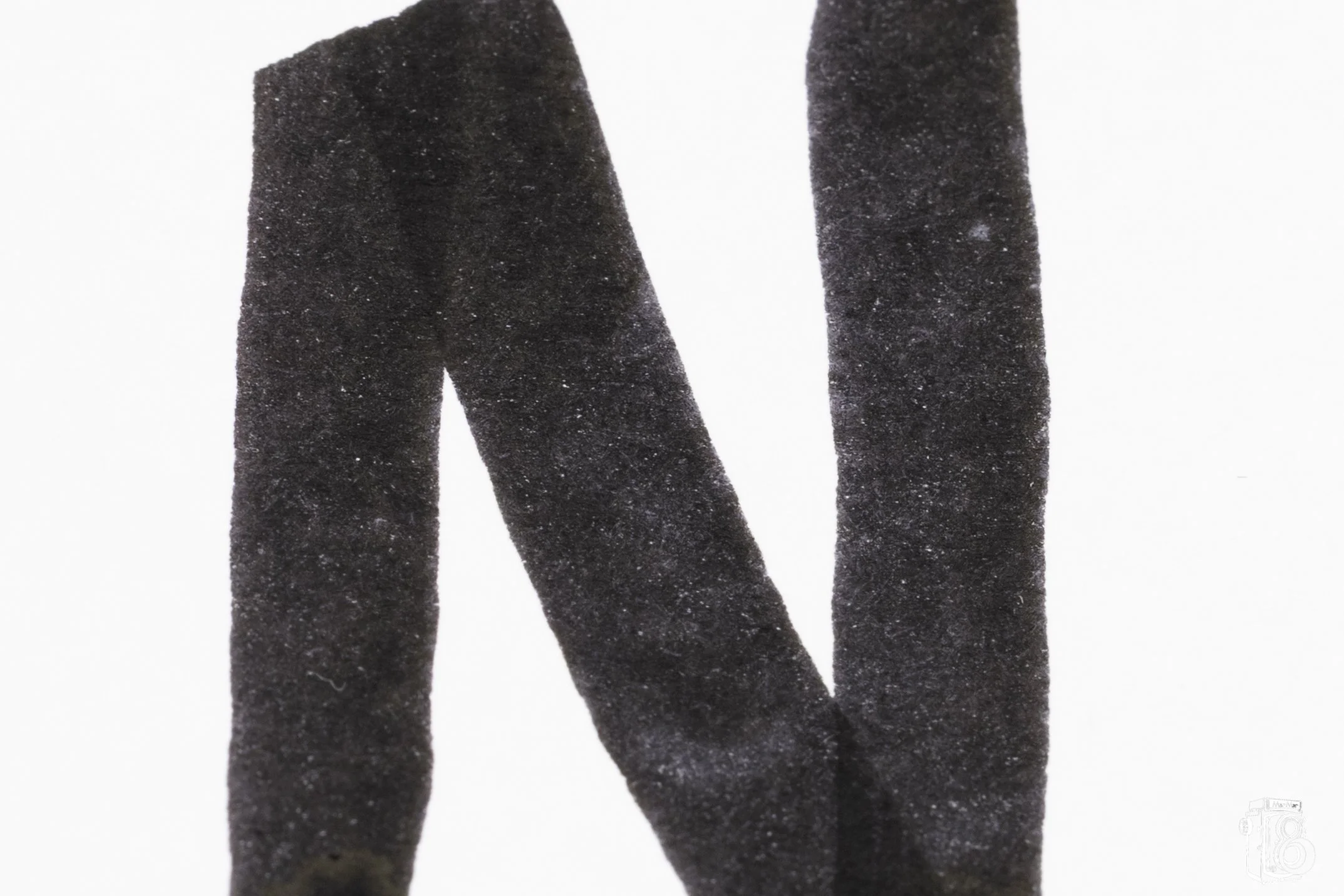
Clean lines with no featuering on Clairefontaine paper
Clairefontaine
The search for the perfect paper for all of my purposes led me to Clairefontaine. Clairefontaine is a French company that has made paper for generations, back when fountain pens were a standard writing tool.
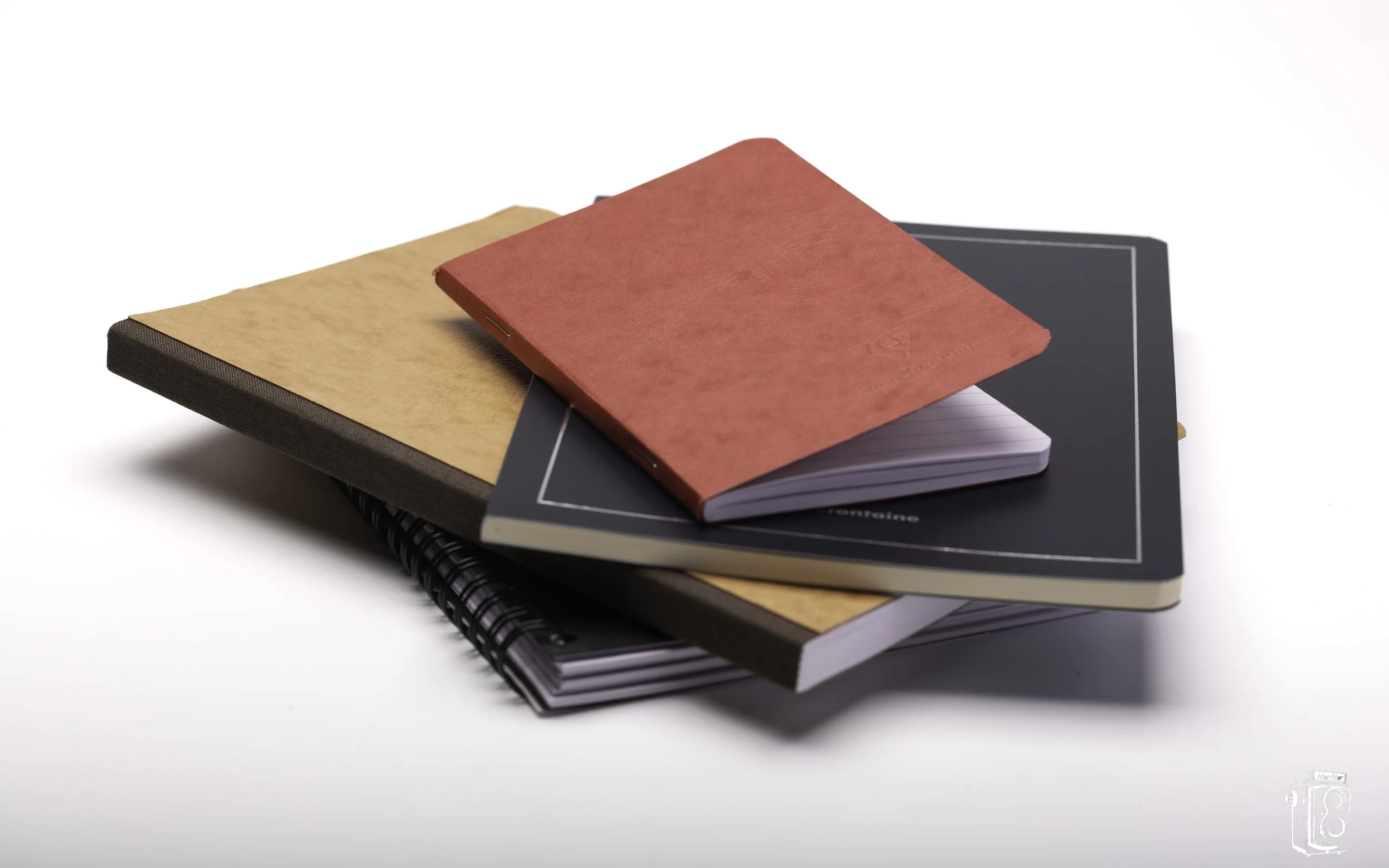
I started with a Clairefontaine pad to test it out and immediately had an aha moment. My fountain pen wrote more smoothly. There was no feathering, no bleed-through, and writing on both sides of the paper was possible while still being easy to read. All of that matters because I often have an assistant enter my handwritten notes into Microsoft Word.
I love the Triumph pads and journals. The paper feels luxurious but not pretentious. The paper is of a very high standard, but the price is honestly accessible. Clairefontaine paper is not for rich people. It is for people who care about having a great writing experience.
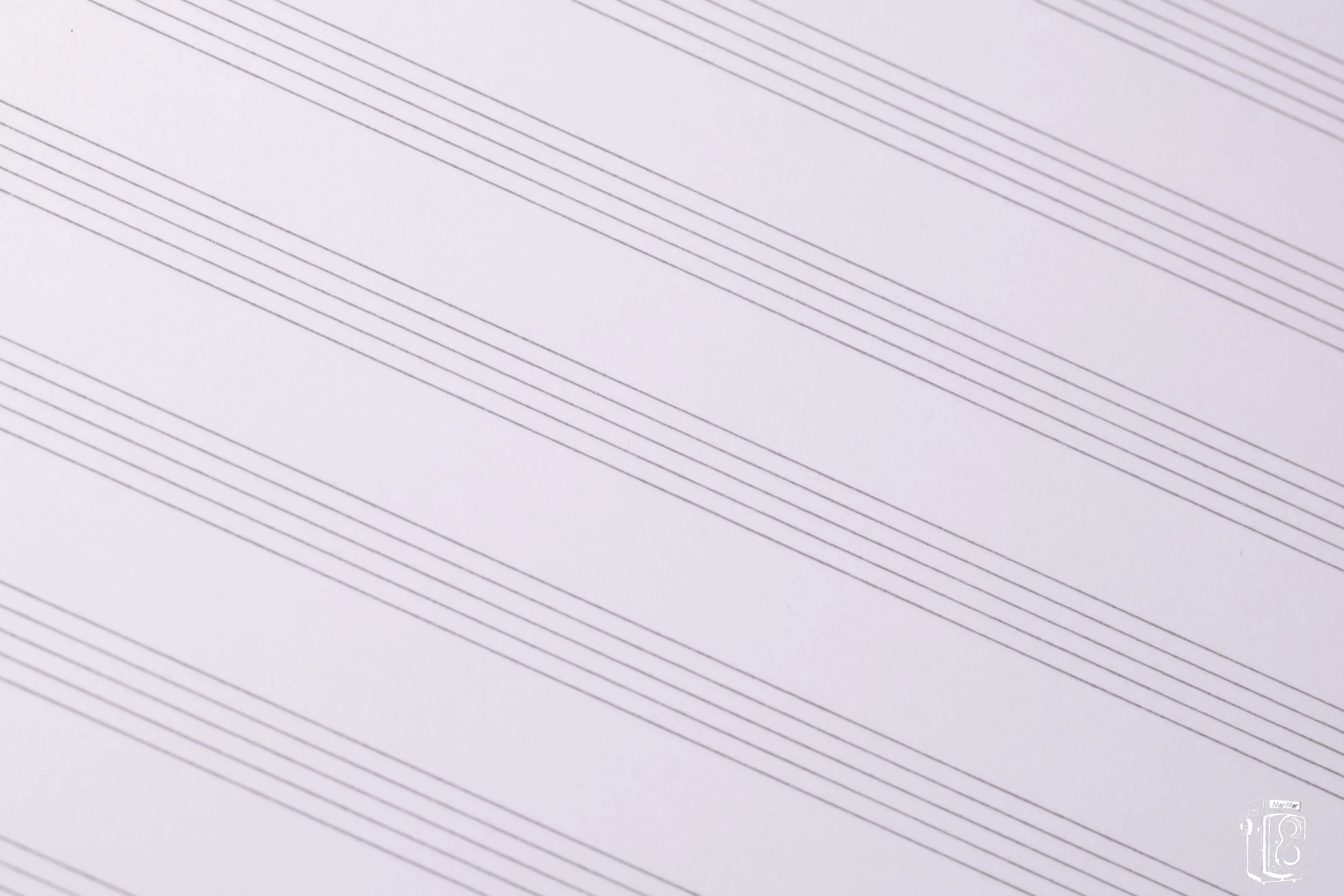
I got excited when I found out that Clairefontaine makes music manuscript paper. The beginning sketches for most of the music I write that is not improvised start on paper. For years, I used standard loose-leaf manuscript paper.
I purchased a Clairefontaine music manuscript pad at The Foauntain Pen Hospital in Lower Manhattan and was floored. There were several things I liked. First, there were no holes along the side of the paper. Those binder holes really drive my OCD wild. I hate them.
Second, the pages are glued, but I can remove them easily. I remove them and include them in a separate folder with all the materials for the composition I am working on. I archive all my composition materials from each piece so I can reverse engineer the work later and share my process with students.
The paper has that Clairefontaine feel I grew to love in the Triumph pad. I can use heavy ink on both sides of the paper and still read it clearly. The pages are also slightly larger than the standard loose-leaf music manuscript paper you usually buy, which I really like.
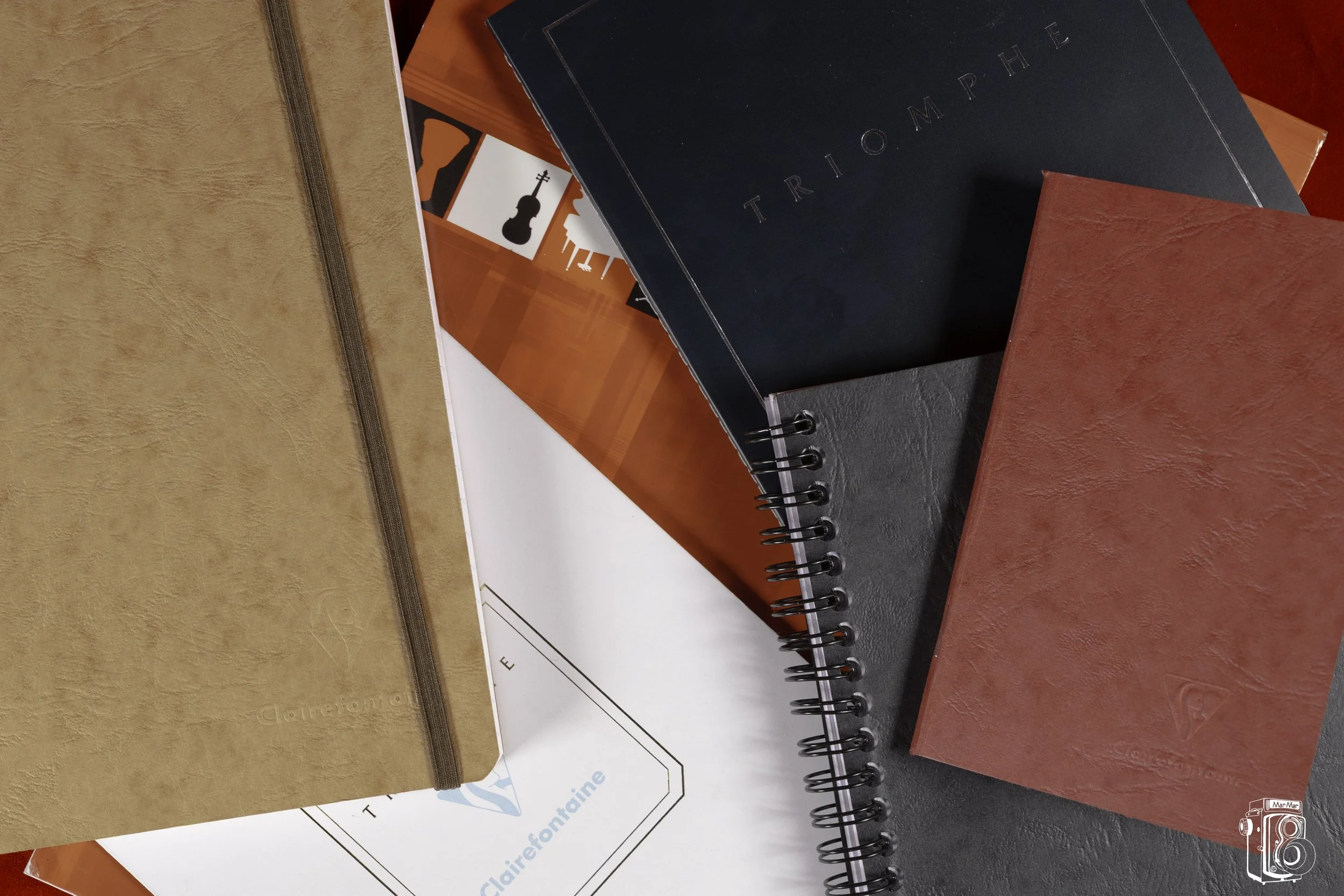
I like it so much that every time I visit The Fountain Pen Hospital, I buy them out. I am stocking up. I keep one in my office at SUNY Purchase and several at home. If you are in a pinch and need some, do not call me. I am protective of my collection—haha.
Up until then, I mainly used Clairefontaine pads for music manuscripts and notes. I wanted to move into journals with non-removable pages for the research I had been doing in Leuchtturm journals. I am particularly fond of dotted pages because they give me more freedom when creating diagrams and gluing in scraps of manuscript paper with notes on them. My journals are a real art project.
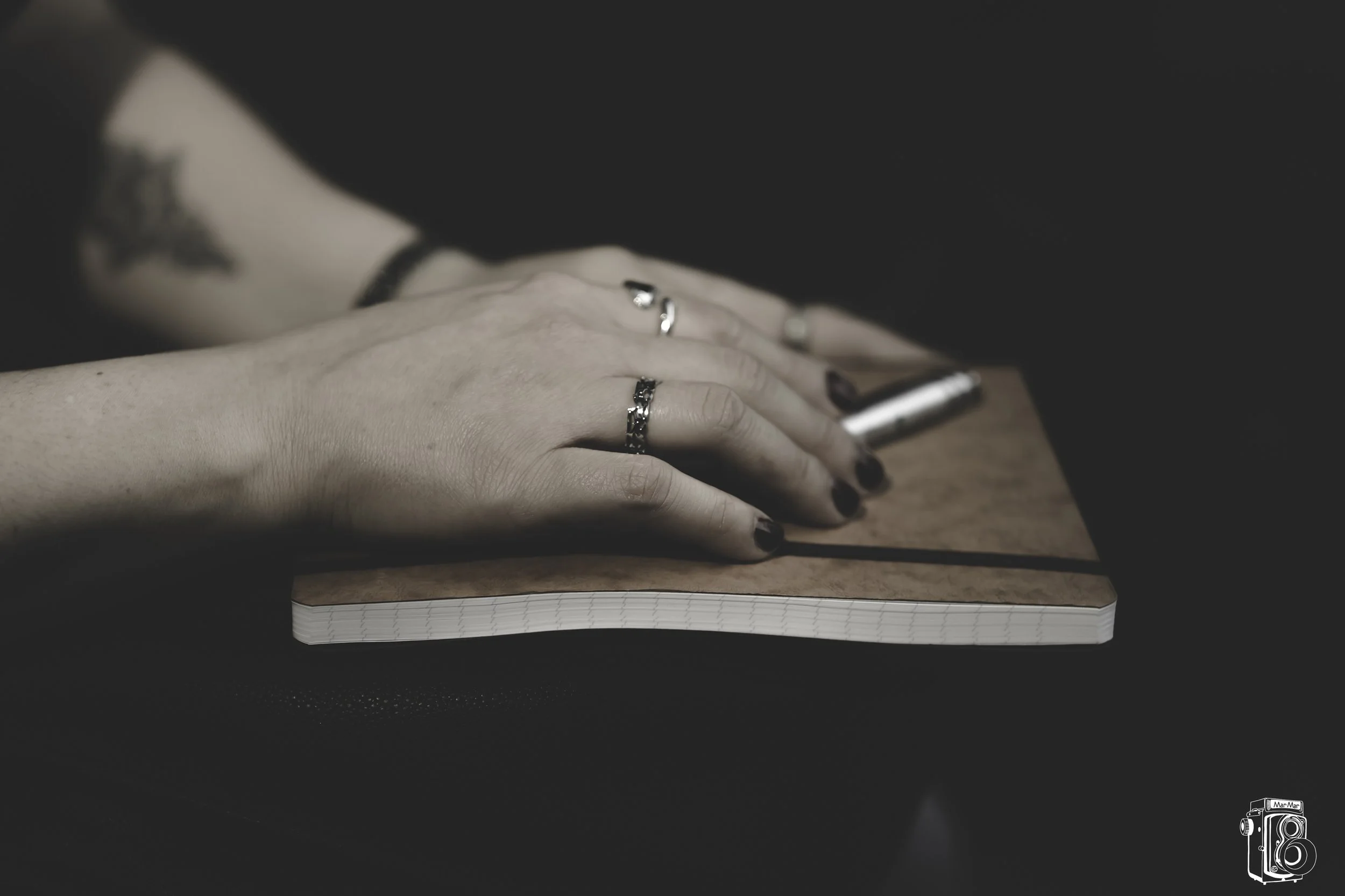
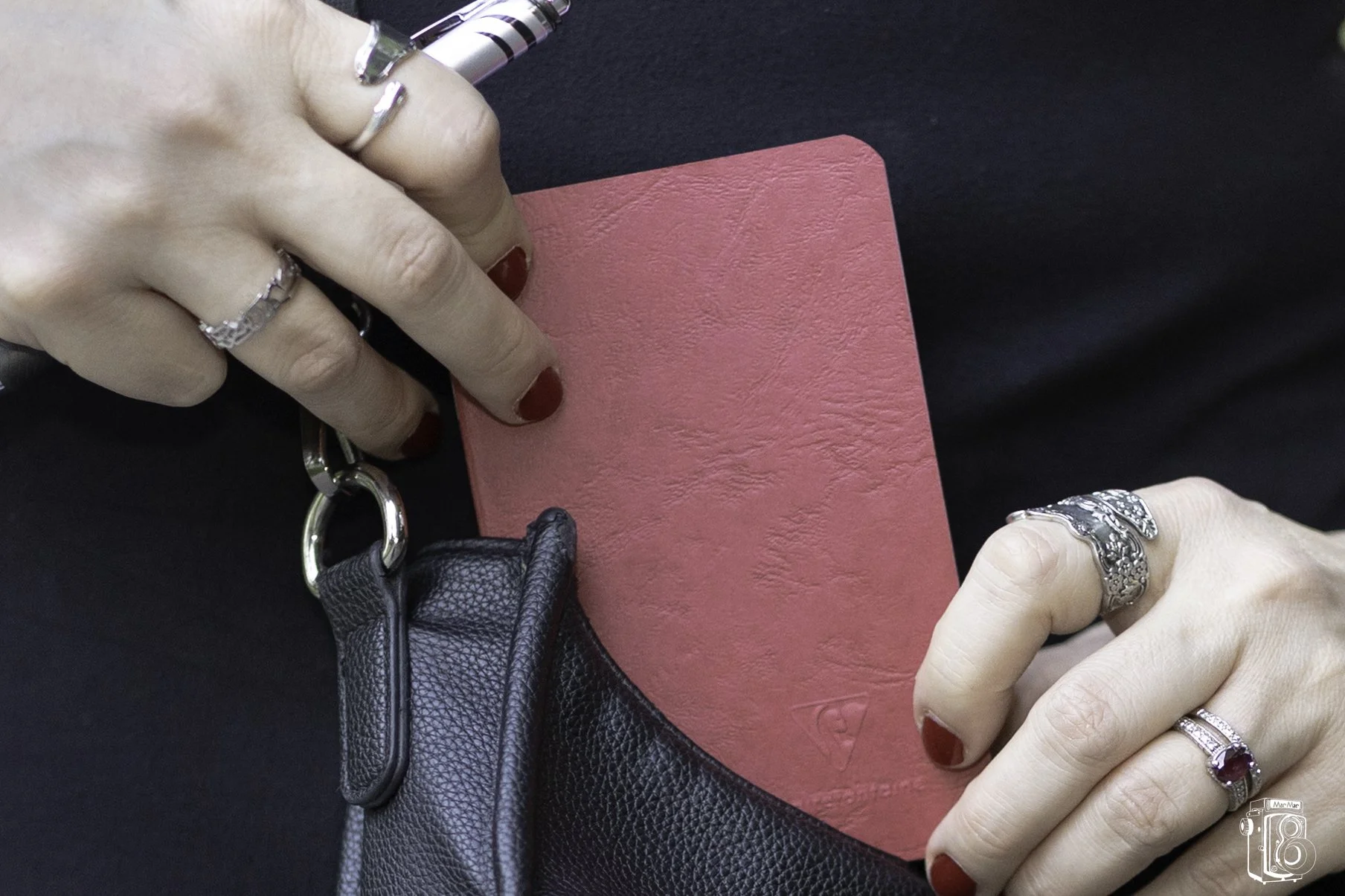
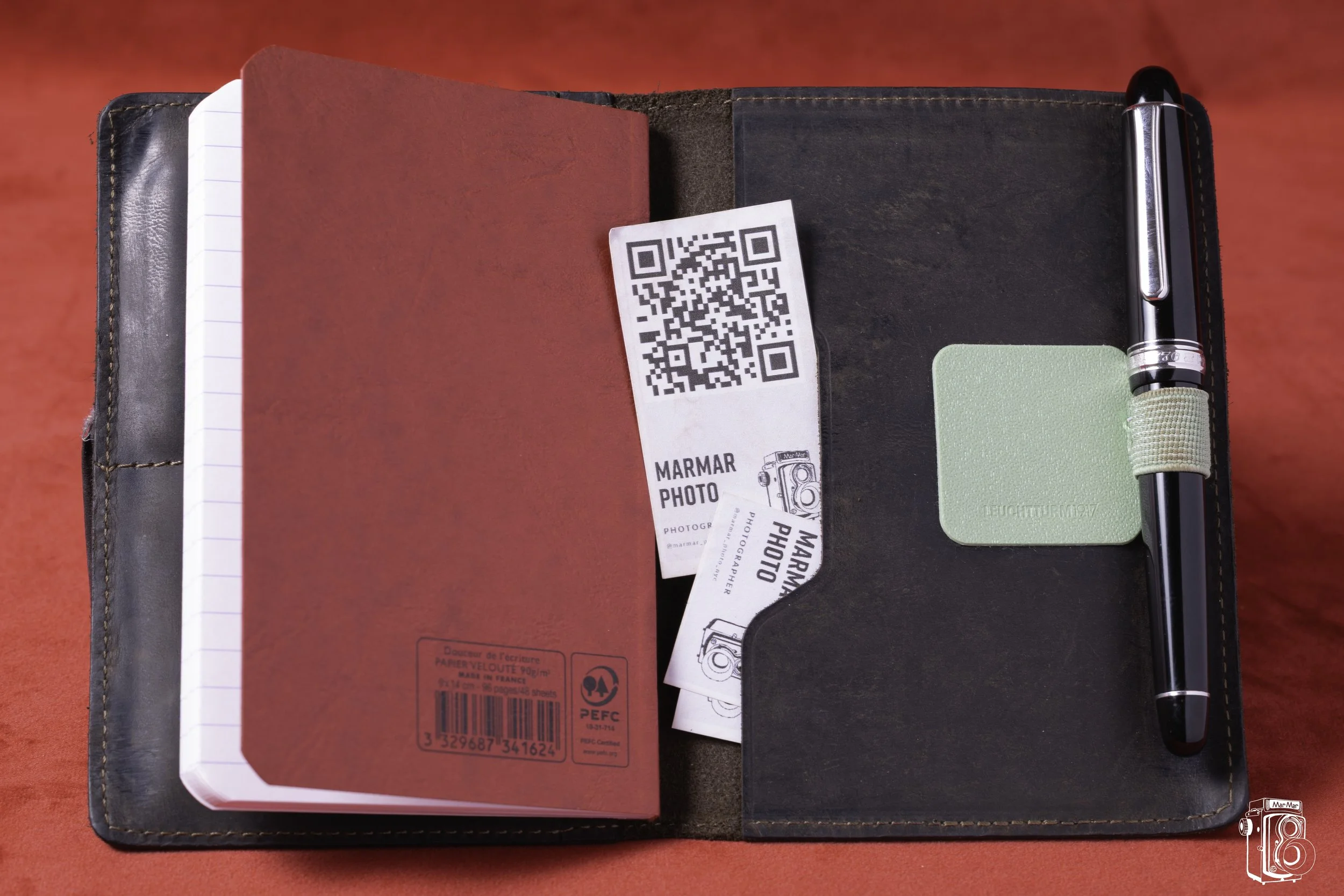
The journals were exactly what I was looking for. Then I needed a small catch-all for notes when I am out and about. I have a leather case for my small notebook to protect it when I throw it around in a bag.
I had been using Field Notes notebooks, which look nice but don't work well with different inks. If you use pencil and ballpoint pens, they are good. As you might expect after reading this far, that was not flexible enough for me. I wanted to use fountain pens and other pens. Clairefontaine to the rescue.
The Paper Line
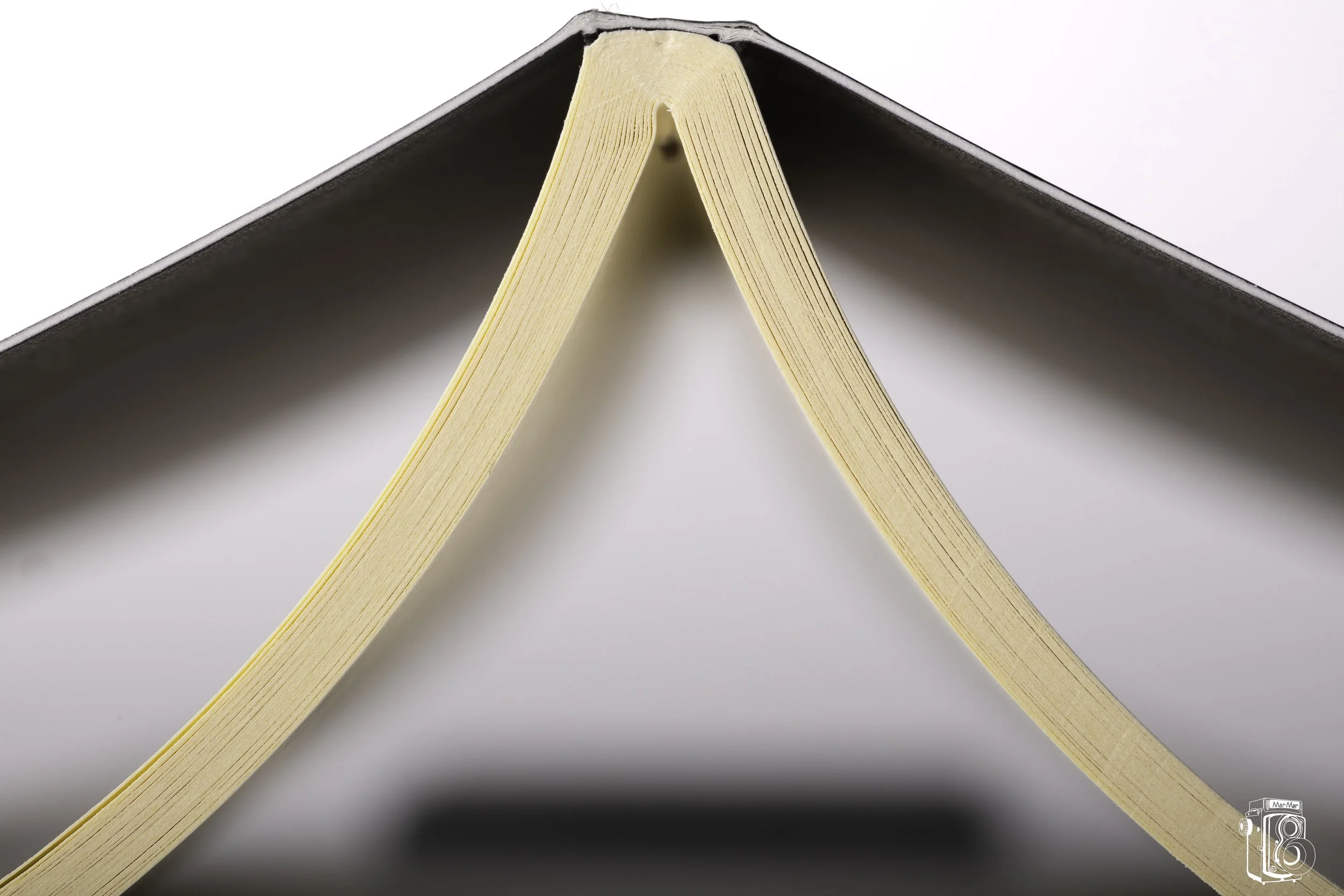
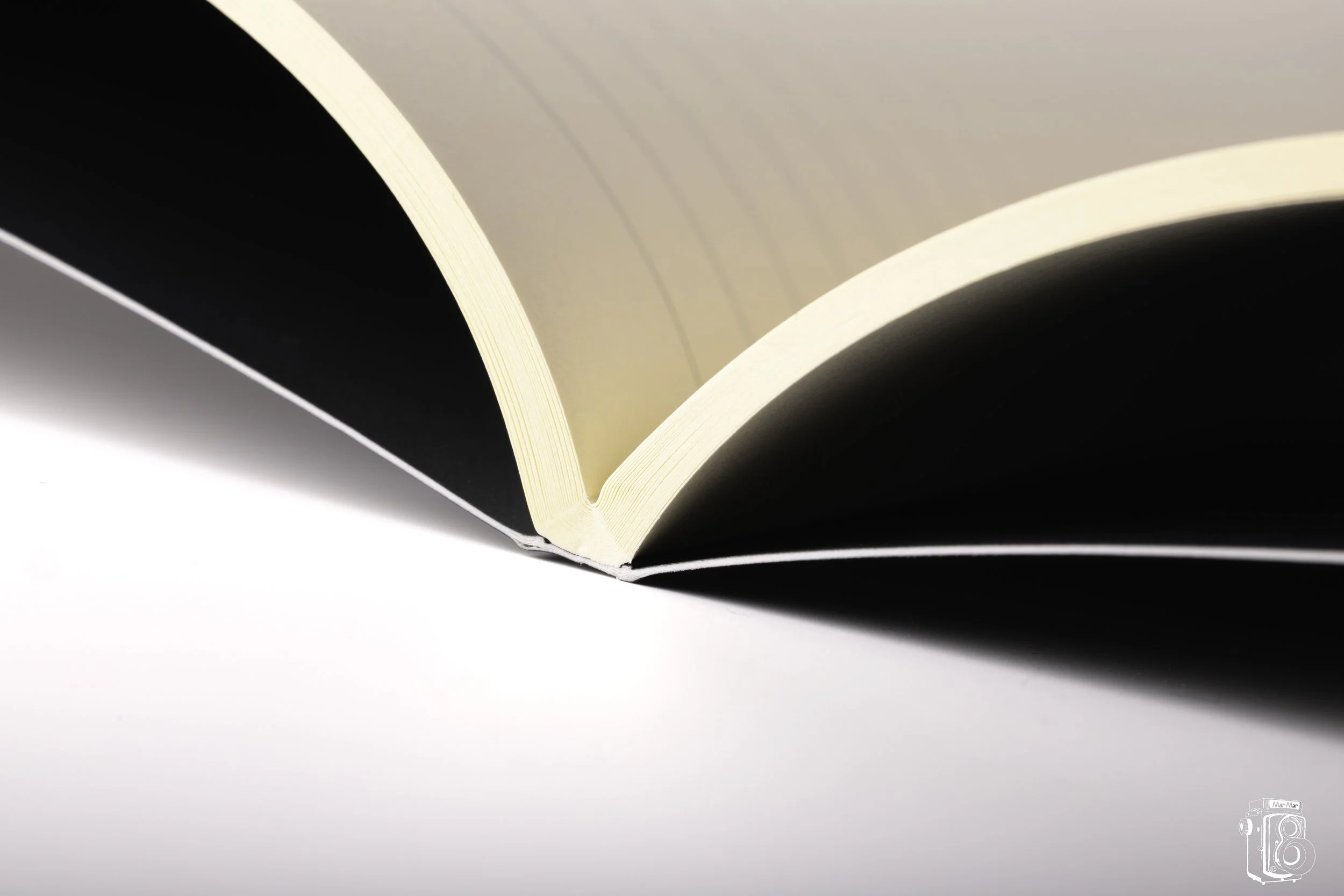
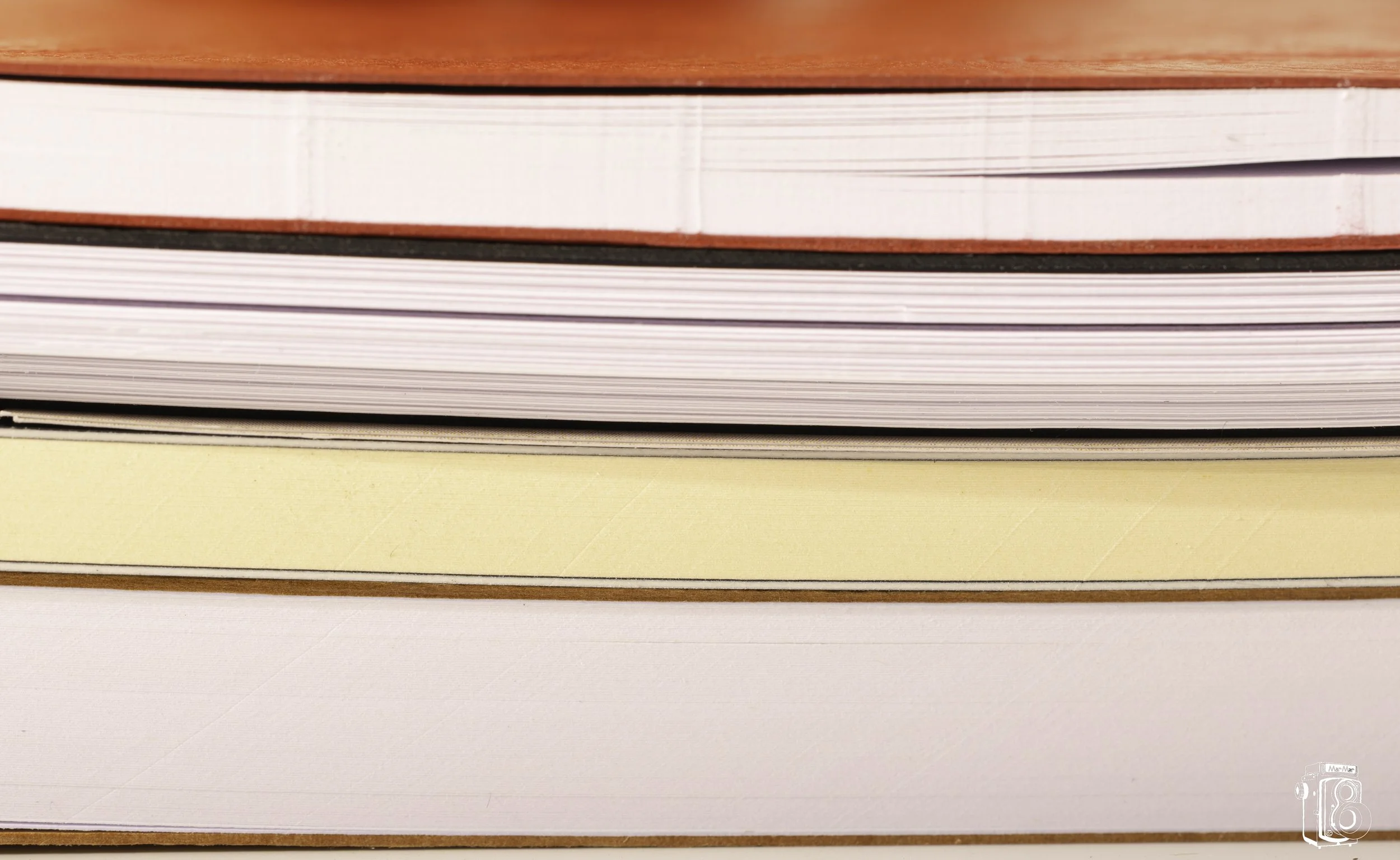
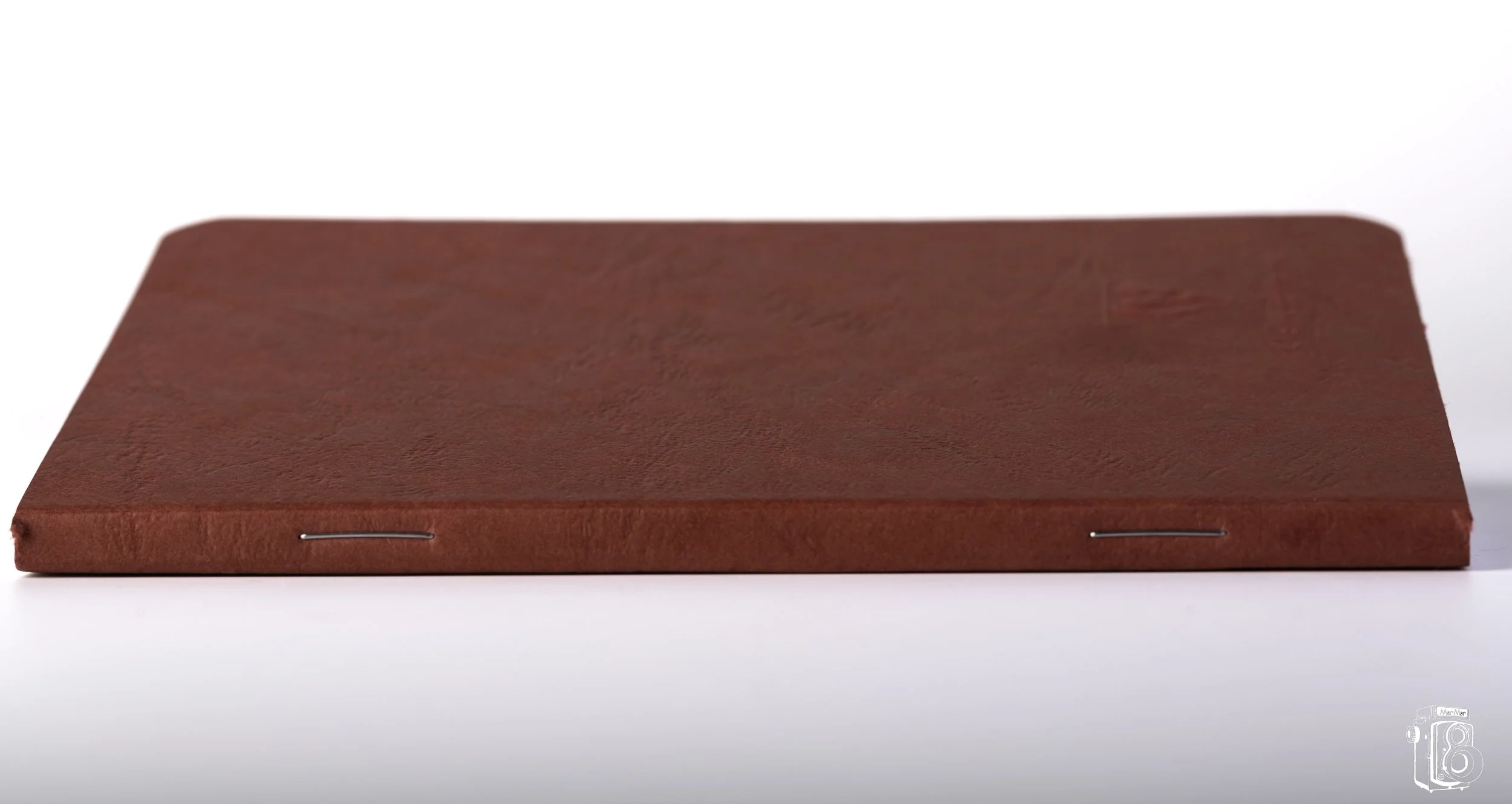
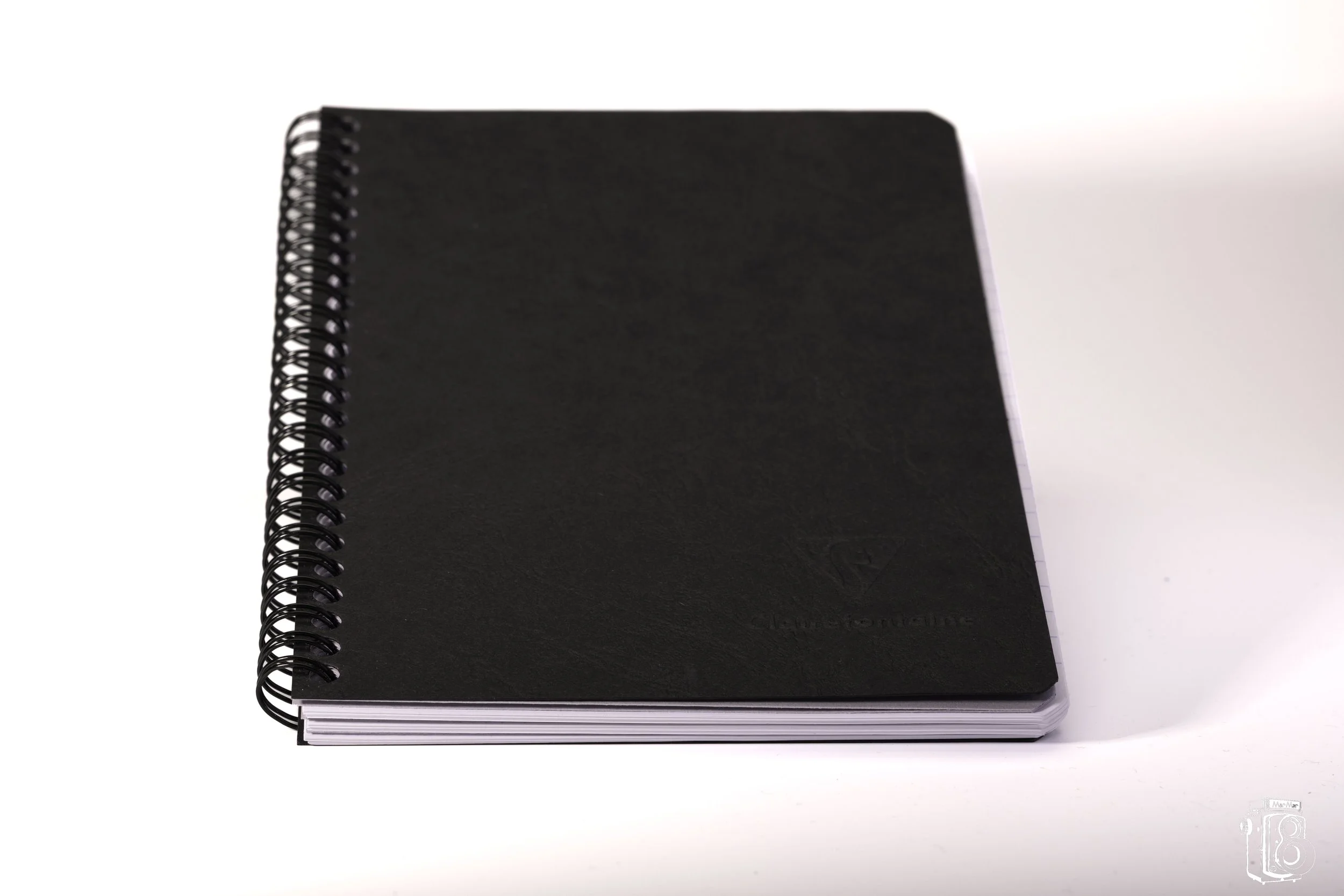
Clairefontaine understands that a notebook is not a single, generic object. Its range includes different formats, rulings, page counts, covers, and bindings, because people use paper in fundamentally different ways. Some notebooks are light, simple, and staple-bound—good for carrying around, taking quick notes, working through initial ideas, or keeping a focused project in one place. Other books use a glue-bound construction, sometimes with a cloth-covered spine, creating something more durable and substantial for longer writing, sustained planning, journaling, or sketchbook use.
The binding changes the object's character: staples make a notebook feel immediate and portable, while a cloth-bound or glued book can feel more permanent, like a record you will keep and revisit. Clairefontaine’s wider notebook selection also includes wirebound and hard-cover formats, along with lined, blank, squared, and traditional French-ruled paper.
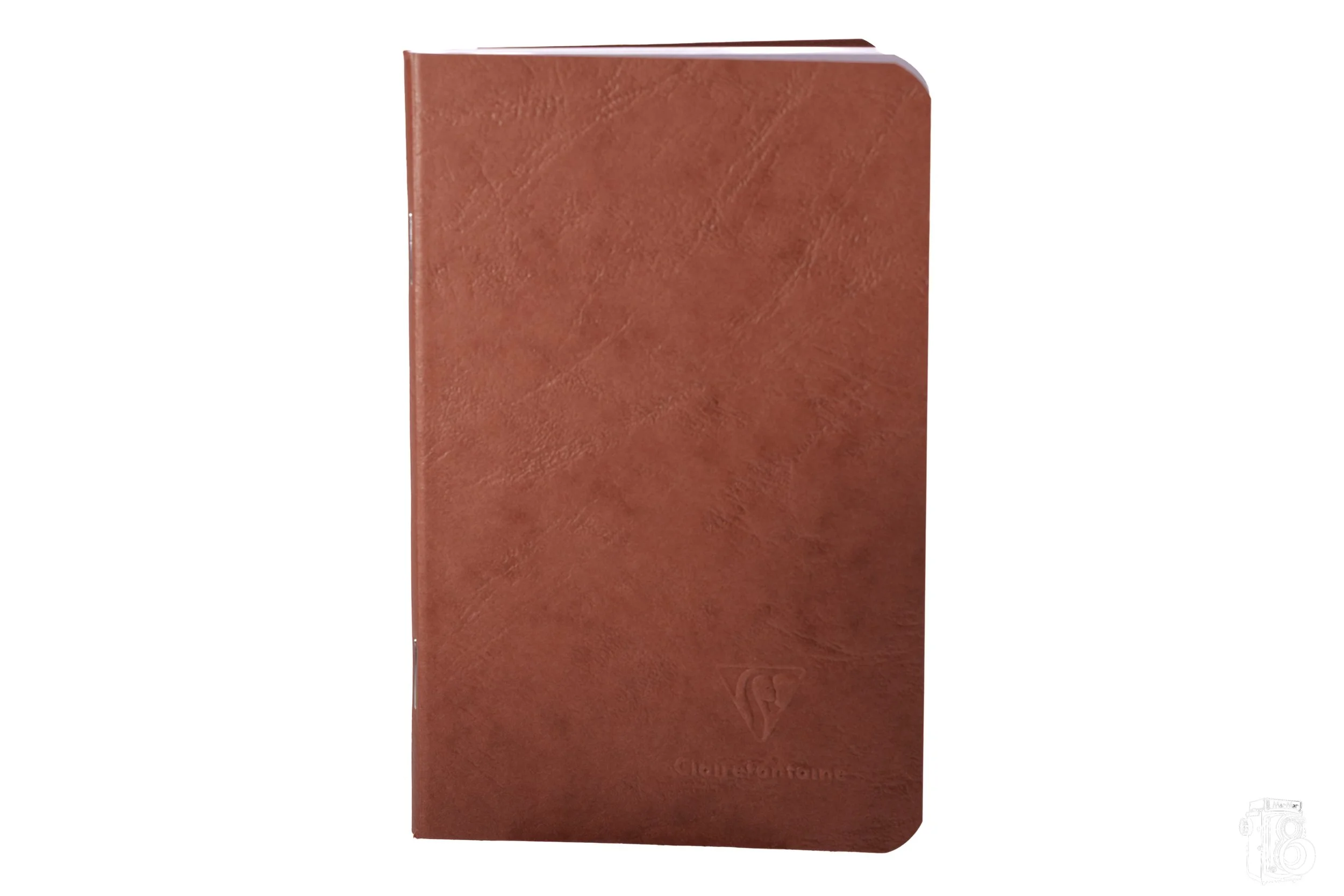
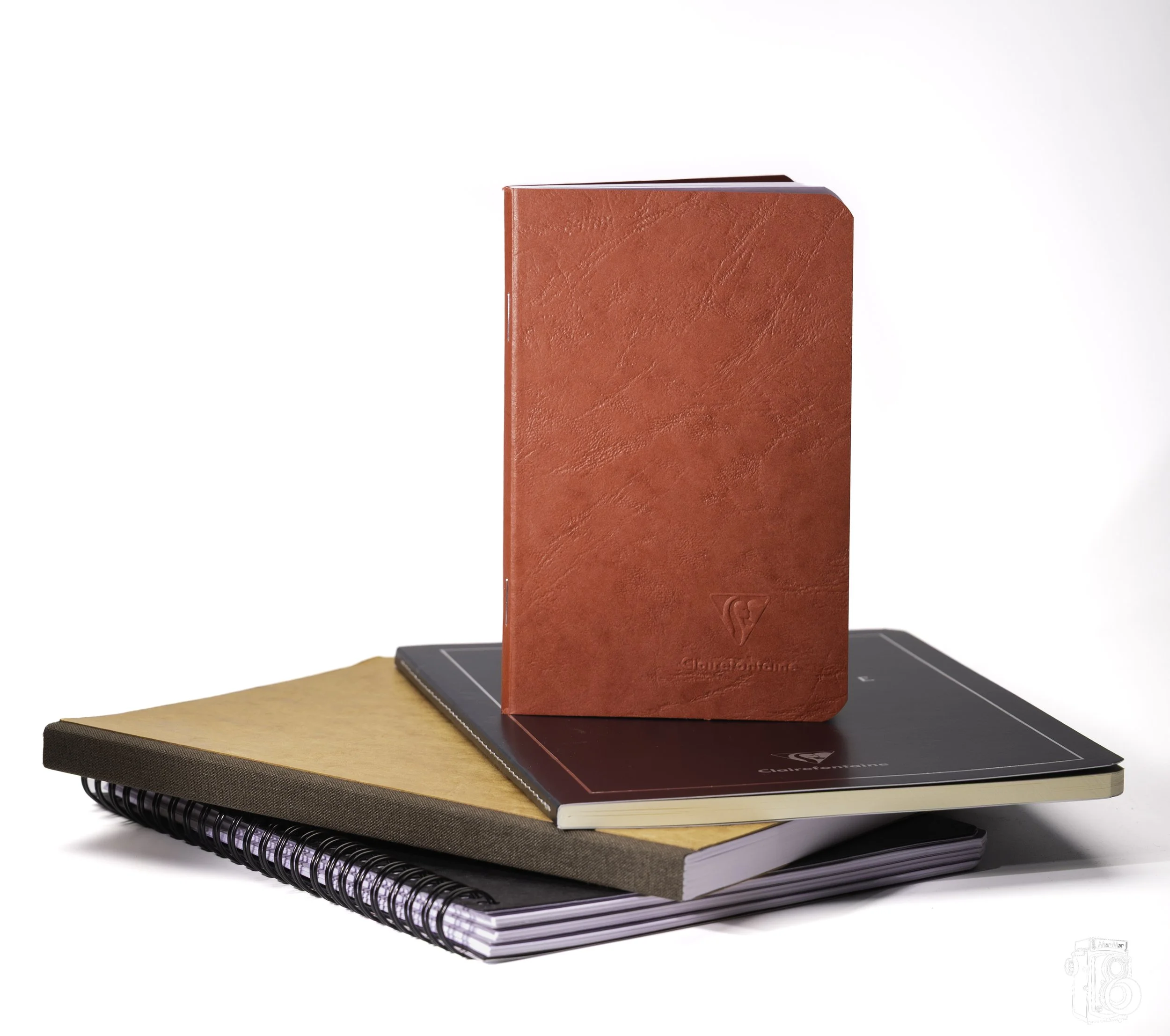
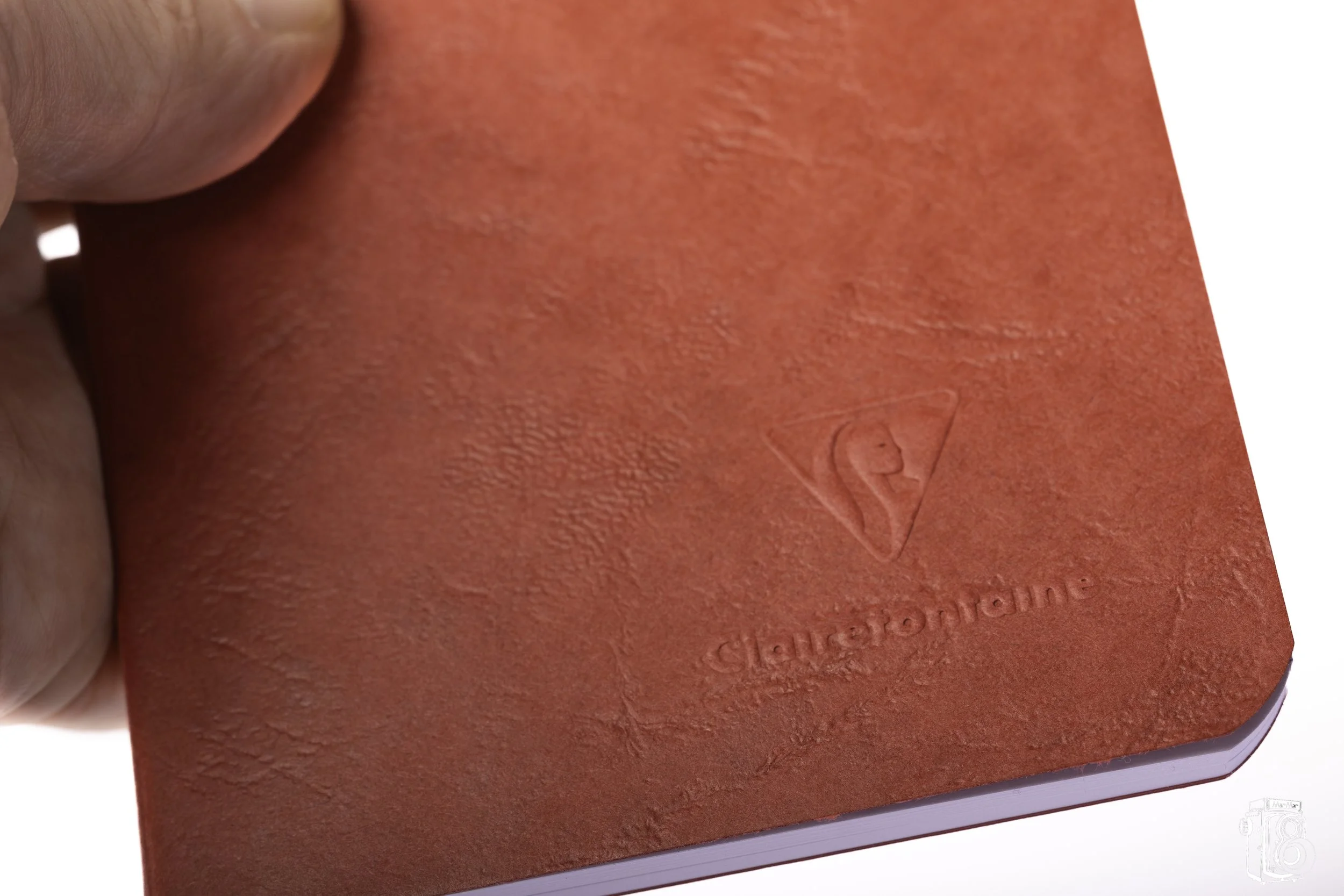
The Age Bag line is a good example of that balance between utility and character. Its textured, leather-like card cover, rounded corners, cloth-covered glued spine, and 90 gsm brushed vellum paper give it the feeling of a working notebook that can withstand regular use without becoming precious. It comes in versions suited to writing, drawing, or planning, and the paper is smooth enough to make fountain-pen writing feel deliberate and enjoyable.
For something lighter, the staple-bound notebooks in the Basics Life Unplugged and Collection 1951 lines offer an approachable, portable format, while their cloth-bound counterparts provide more pages and a more substantial object for ongoing work.
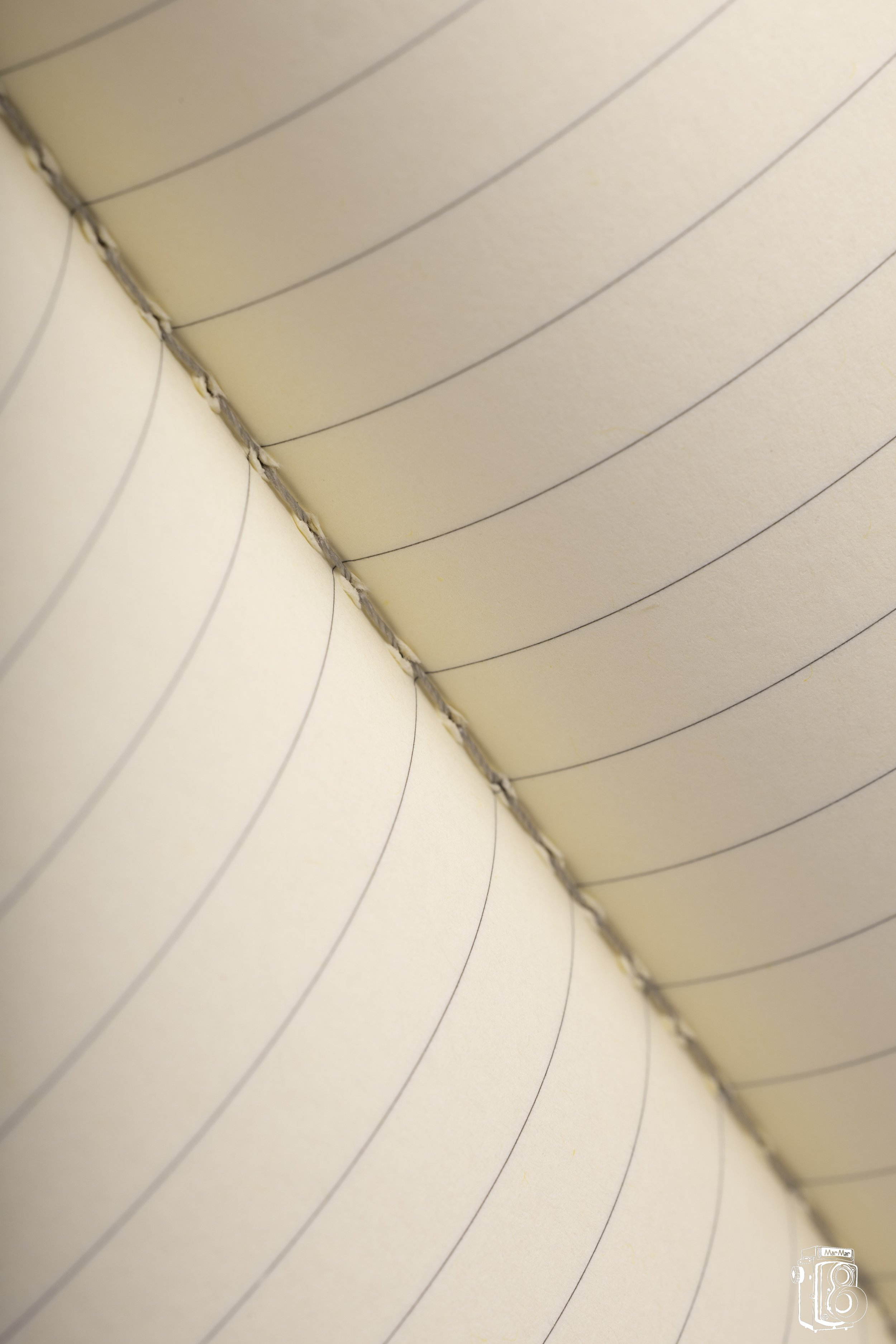
The Neo Deco notebooks take a different direction, pairing more decorative covers with cream paper and thread binding, while the My Essential notebook offers a more understated, durable option with cream pages and a thread-sewn construction.
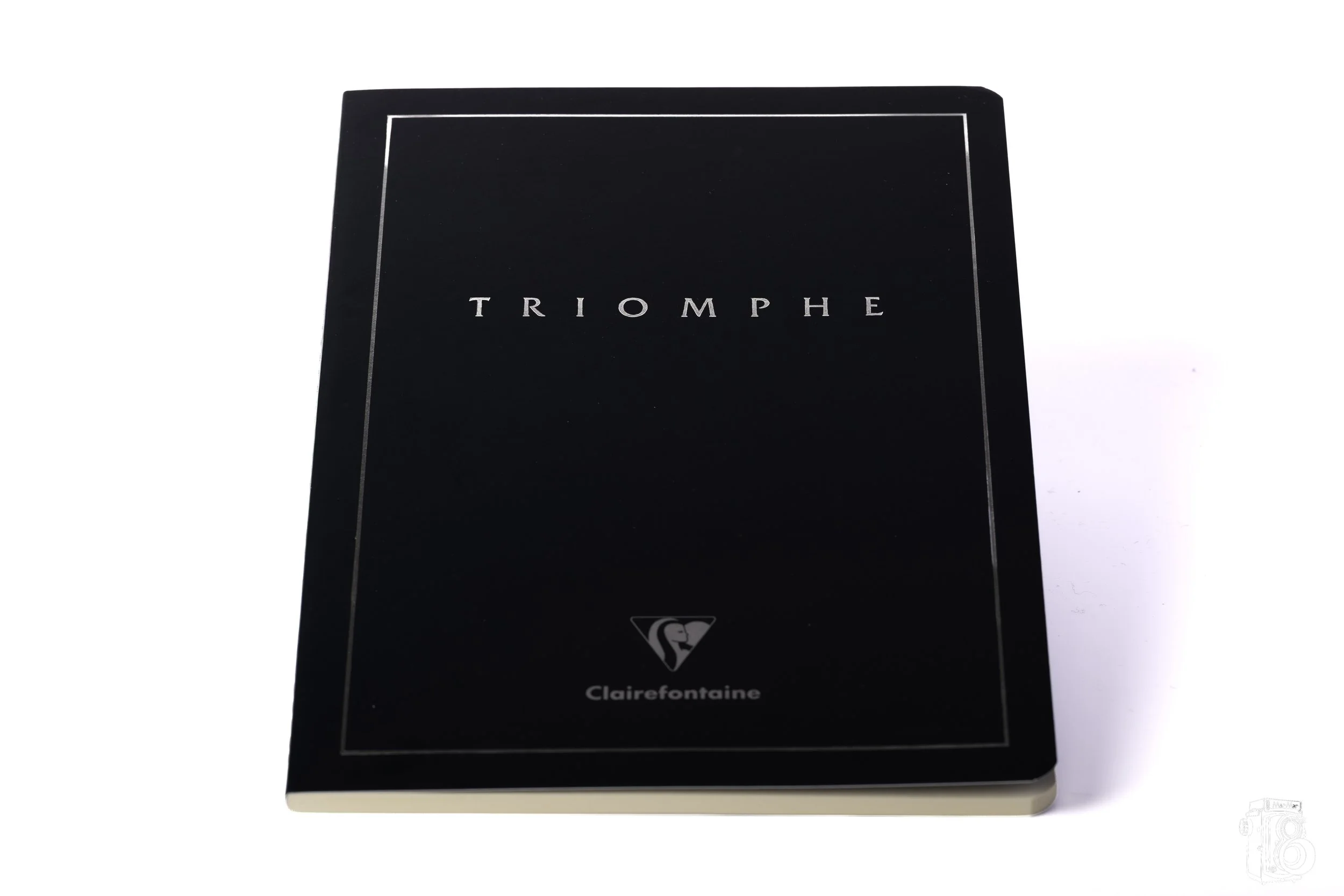
The Triomphe line belongs in both the writing-paper and notebook line. The familiar Triomphe pads remain useful when you need to remove a page for correspondence, a typed draft, a formal note, or a finished piece of writing. But the Triomphe notebooks offer a more contained, archival-feeling space for work that needs to stay together. Their thread-bound A5 format, offered in blank or lined versions with 90 gsm paper, makes them especially appropriate for longer entries, project notes, musical ideas, or any process where you want the pages to accumulate into a record rather than be torn away. The same paper can therefore serve two different creative needs: the pad for work that leaves the desk, and the notebook for work that stays with you.
The Small Things
In America, we have lost some appreciation for ritual and gratification in what we call the small things. We always rush toward an ever-moving finish line, with guilt and judgment if we don't meet an imaginary standard created by society, industry, and politics.
The small things do matter in life. There is joy in daily activities. Writing is not a mundane task.
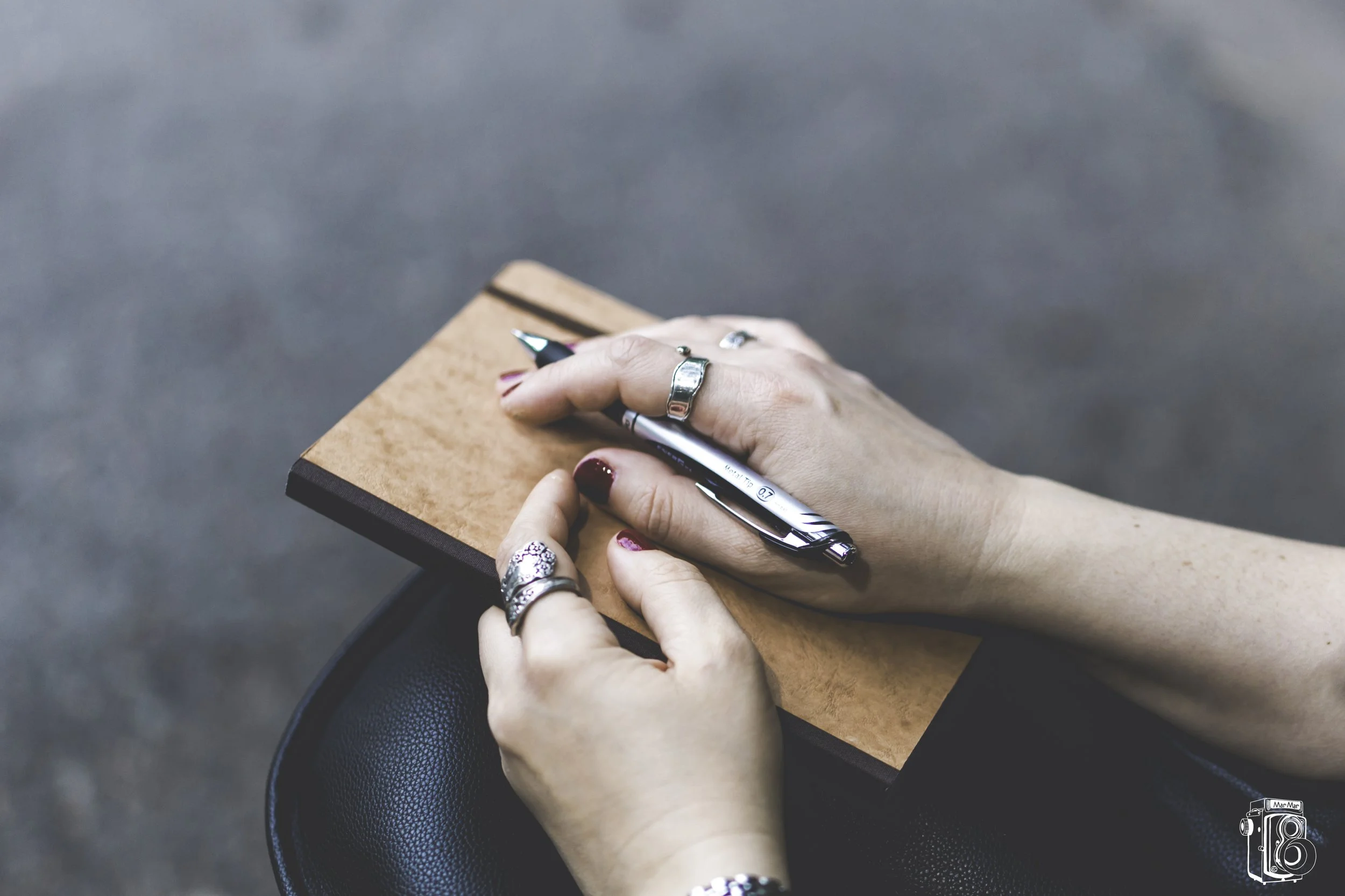
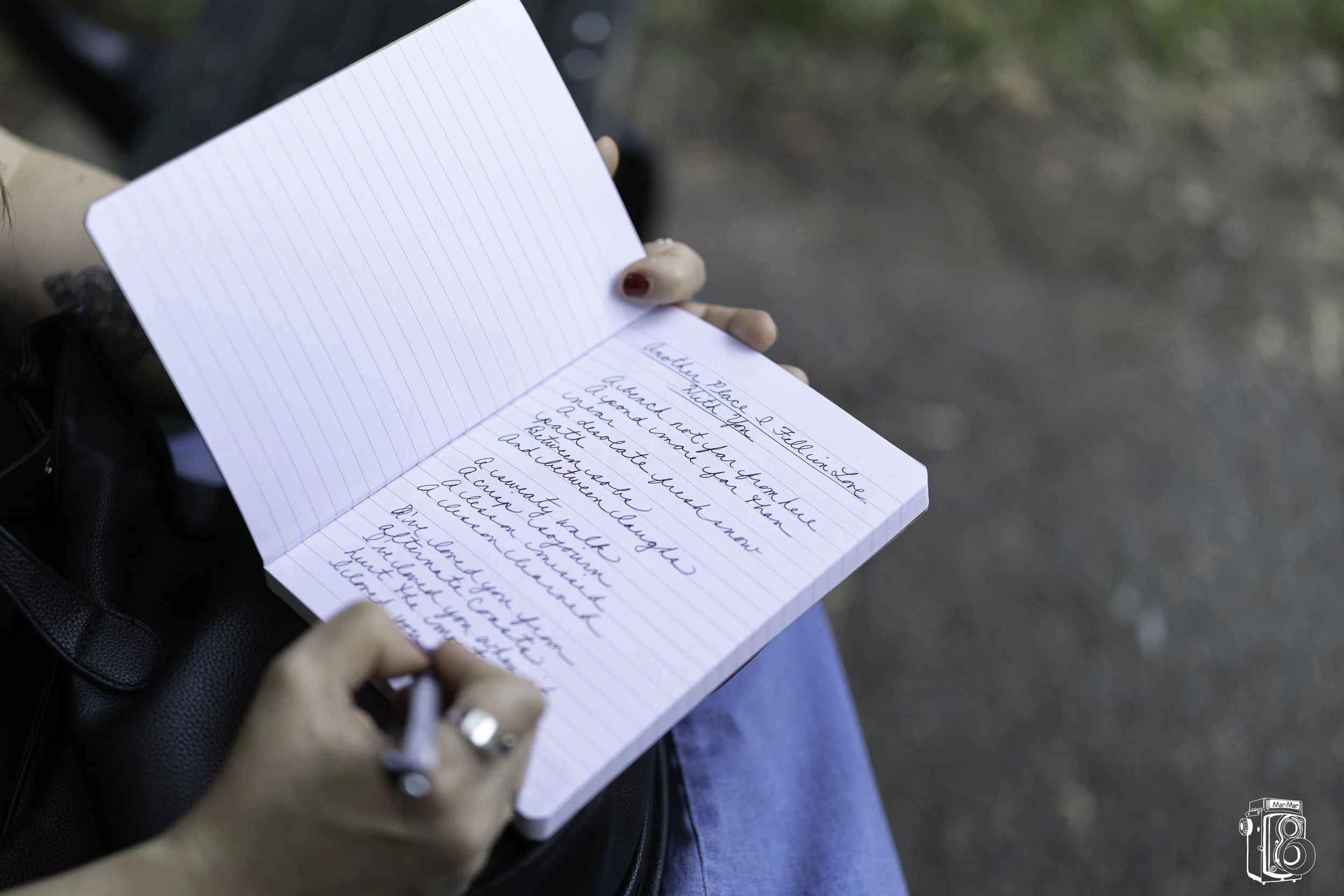
Writing on paper asks more of the brain than simply recording information. When I write by hand, I am not only seeing words. I move, feel the page, choose where an idea belongs, and slow down enough to process what I am learning. A phrase might live in the upper corner of a page beside a musical example, written in blue ink with a red arrow toward the next idea. That physical placement becomes part of the memory.
For me, paper is not anti-technology. I still use Sibelius, Word, and digital tools constantly. But paper gives the first spark room to appear without distraction. It is where I can think messily, circle something, draw a line across the page, write a question in the margin, and leave a trail back to an idea I may need later.
Thinking on Paper
Thoughts can come and go quickly. There are moments when you are in the zone, and one tiny distraction can make you forget an idea. For that reason, I use a notepad or small notebook to write down my thoughts. I think on paper.
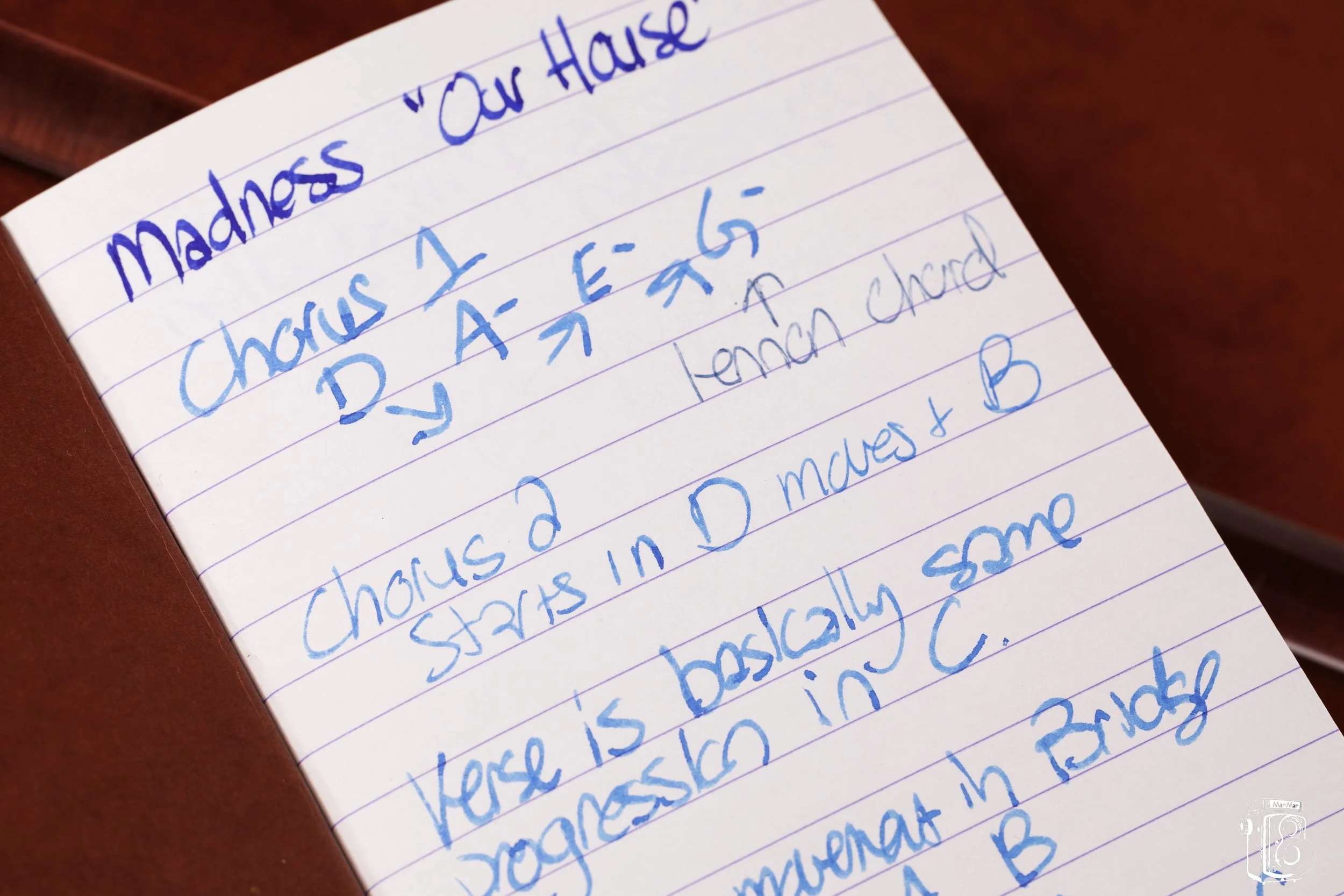
Many ideas are fleeting. When an idea doesn't work at the moment of conception, we often discard it and move on. But the problem with letting ideas pass by is that they could be the perfect solution later in the process.
Creating a breadcrumb trail can keep you from getting stuck later. Why not recycle those ideas? I have found that I really do not like making these types of notes on a digital device. The technology intrudes on my thought process.
You will often find me at a piano with a manuscript pad, a blank paper pad, and two or more fountain pens in different colors to distinguish different points.
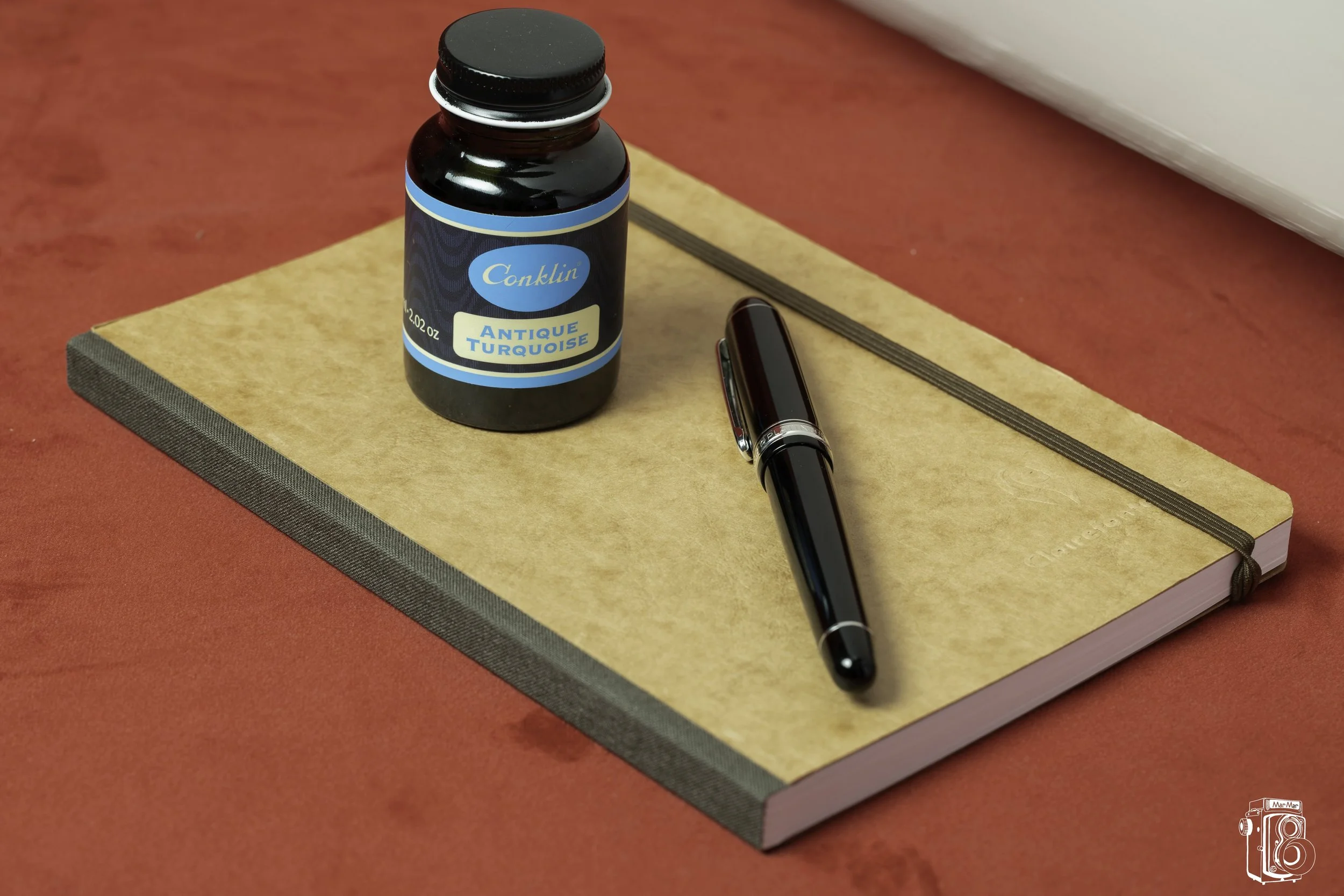
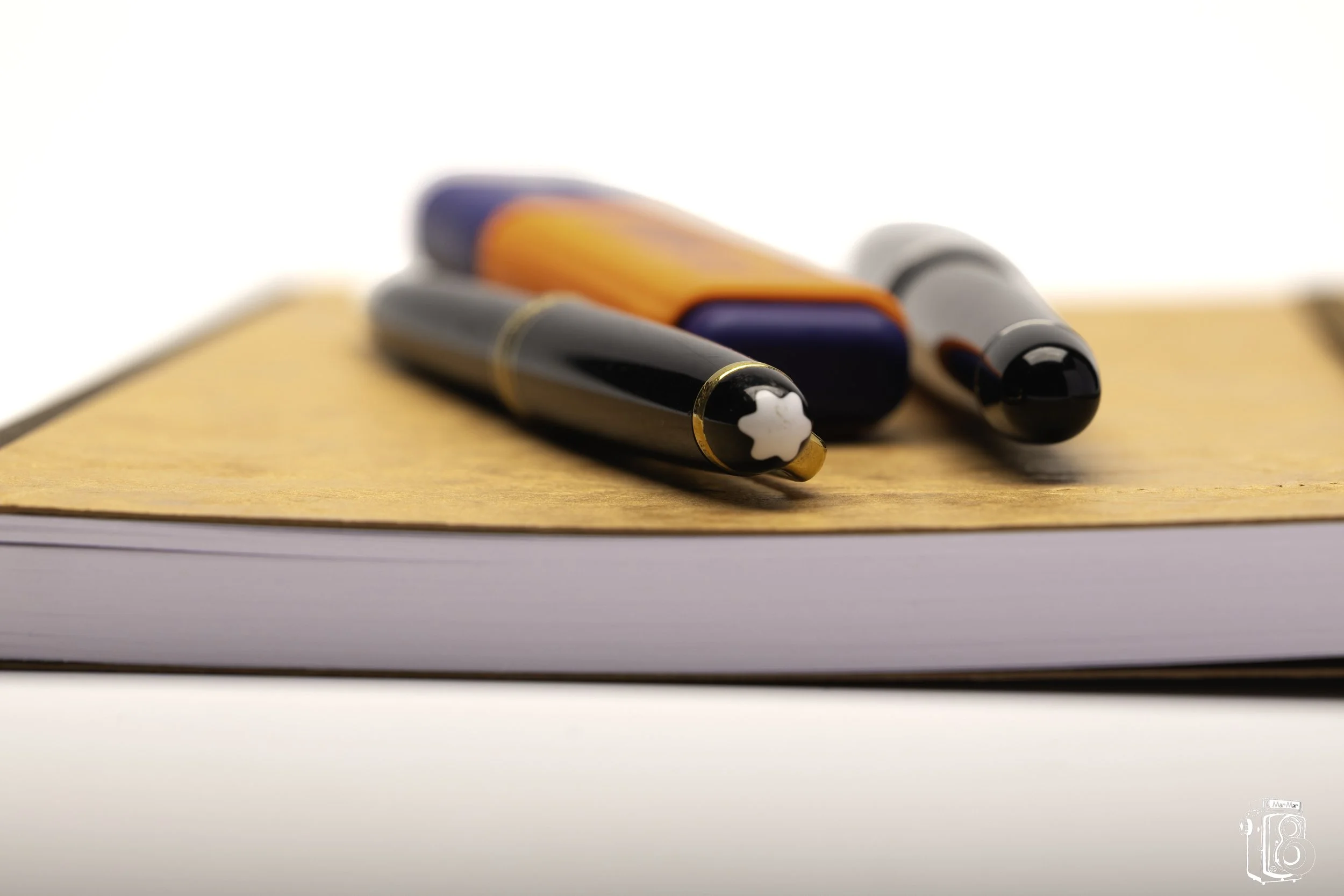
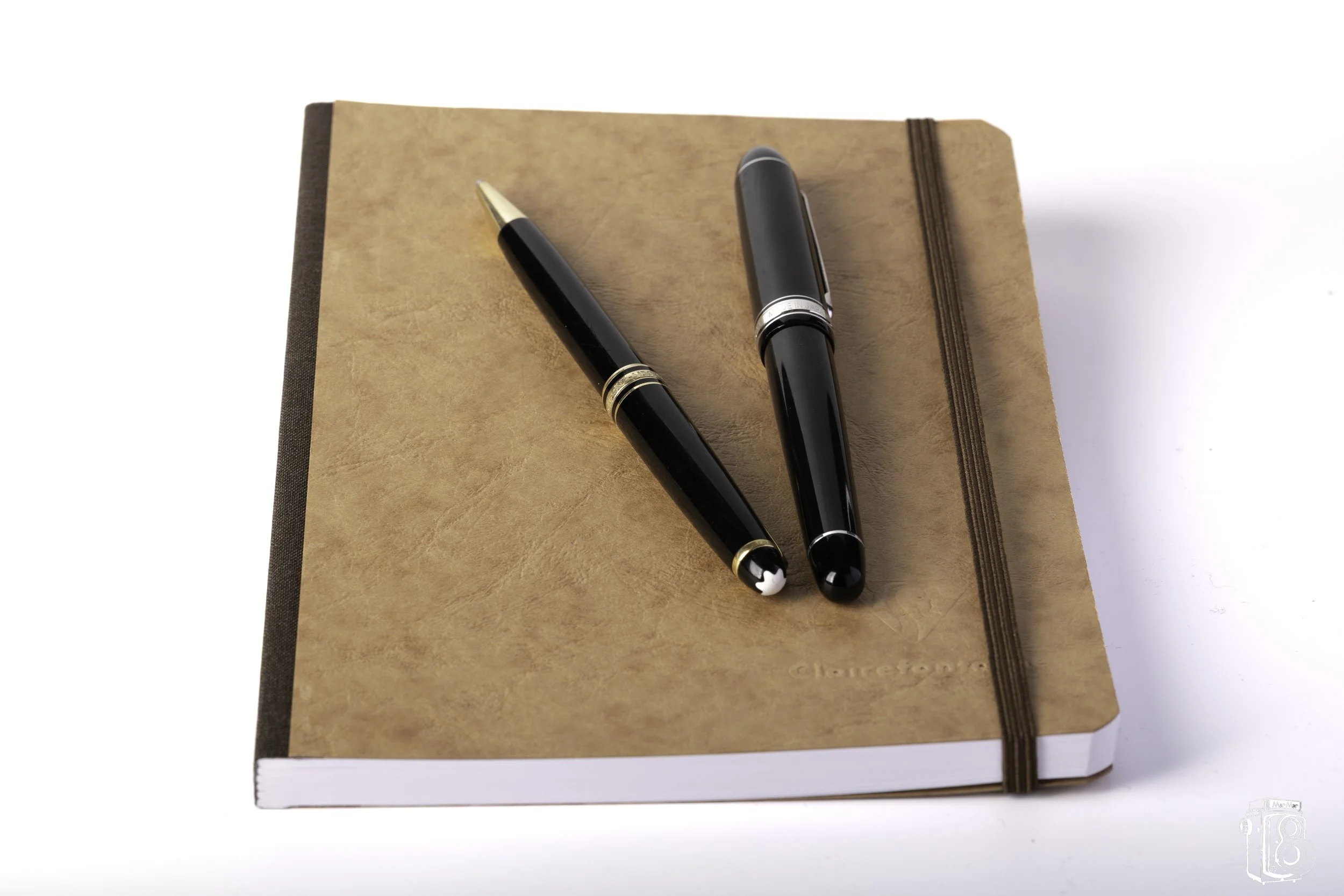
Even when I move to Sibelius for the next stage of composition, the notepad remains, along with the music manuscript. By that point, I use the manuscript paper as scratch paper to write out an idea before inputting it into Sibelius. It is easy to forget an idea when you get sidetracked trying to add an articulation or enter complex notation in the software. By sketching the phrase on paper first, I can concentrate on inputting it into Sibelius without fear of losing the idea. It prevents frustration.
During this process, the last thing I want is paper that feathers the ink from my pens or bleeds through to the other side. I also want my sensory system to be gratified. Cheap pens and paper do not feel good. When I am trying to engage in an activity I want to feel positive about, I want every element to support that.
Future Proof
I find one other point especially relevant right now: AI and privacy. It’s becoming strikingly clear that we are approaching a point where much of what we think, write, say, and share on digital devices can be recorded, stored, analyzed, and repurposed in ways we may not fully see or control. Anyone—or anything, including AI—can potentially track our communication, feelings, and opinions. People can use that information in many ways, from marketing to more sinister applications. Privacy is already difficult, and it’s not going to get better.
Analog tools will not replace digital communication, but they may become increasingly valuable as intentional spaces for privacy, attention, expression, and ownership over one’s own thoughts.
Writing and typing are more personal ways to communicate. They carry more expression than an emoji. I’m glad I found my way back to writing and typing; it has enriched my learning and expression. Clairefontaine has been there, supporting that process and heightening the experience.